
When will VR headsets get smaller and lighter?
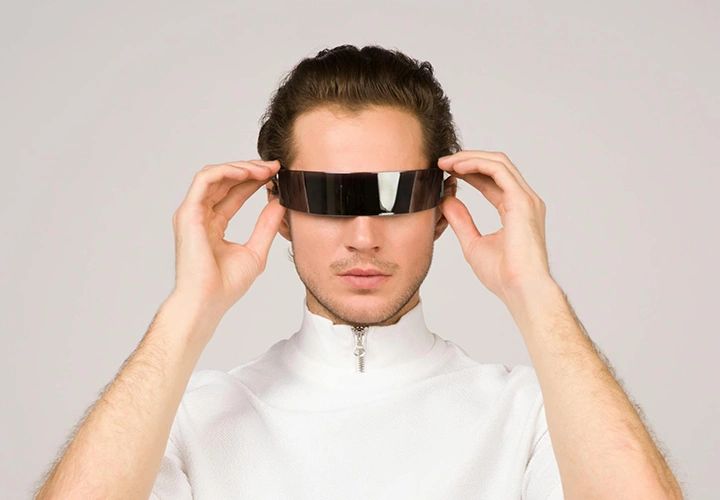
We expect the devices to become much smaller and lighter within the next two to three years (as of 2026). The first steps are already visible: headsets like the XREAL One look like sunglasses, and Meta has announced a lightweight headset with a separate compute unit for 2027. When headsets for virtual reality (VR) will become smaller and lighter is a question on the minds of many users and experts. Several major tech companies are currently working to make the devices more compact and user-friendly. Advances in display technology and processors are the keys to this development.
Companies such as Meta, Apple and Samsung are working on powerful XR (extended reality) headsets that are also lighter and less bulky. The key to this is new components. Here are a few examples:
Lenses: Current devices use pancake lenses. They have made it possible to shorten the distance between the eye and the display considerably, which has allowed the headsets themselves to shrink. Holographic lenses that save even more space are currently in development.
Batteries: Instead of building the battery into the headset housing, some devices place it at the back of the user’s head (the Pico 4 Enterprise, for example). The Apple Vision Pro has a long cable so you can carry the battery in your pocket. Battery technology keeps getting more powerful, so batteries are getting smaller.
Materials: Many users find the size of the Apple Vision Pro comfortable. The device is heavy, however, because of housing materials such as glass and metal. There is a lot of potential for weight savings here.
Displays: Modern displays such as MicroLED displays use less power than earlier models. We can expect further optimization in power consumption and heat output. That means smaller batteries and less cooling will be needed.
Processors and software: As graphics processors become more efficient, they need less power, which in turn allows smaller batteries and cooling systems. Optimized software takes this even further. One example is foveated rendering, which renders only the areas the user is actually looking at in high resolution.
Our assessment
We will be working with devices in the current form factor for some time yet. But today’s devices (2025) are already comfortable enough for longer use. And the tech giants are investing billions in developing these devices further. There are promising developments right now, so we can expect devices to keep getting smaller. The next two to three years should bring significant improvements. Over a ten-year horizon, substantial changes in form factor could reach the market.