BUND Lower Saxony
Swimming as a Harbor Porpoise: Environmental Education in Virtual Reality for BUND
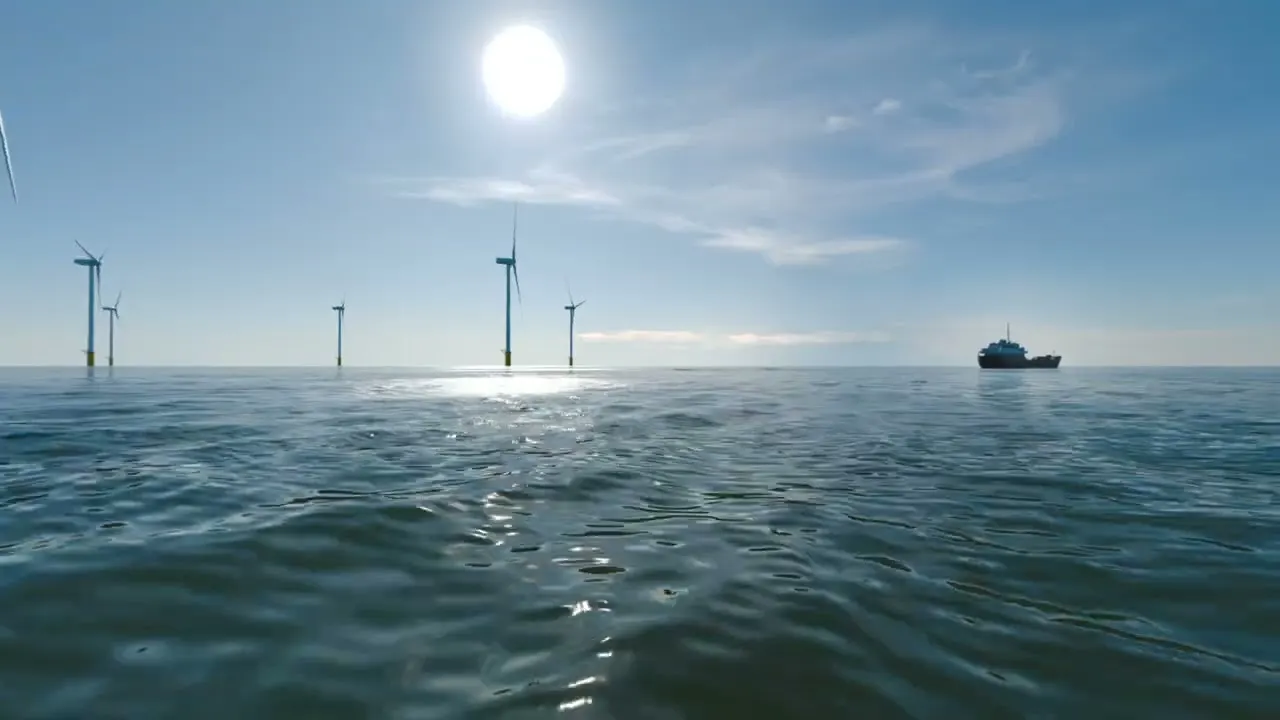
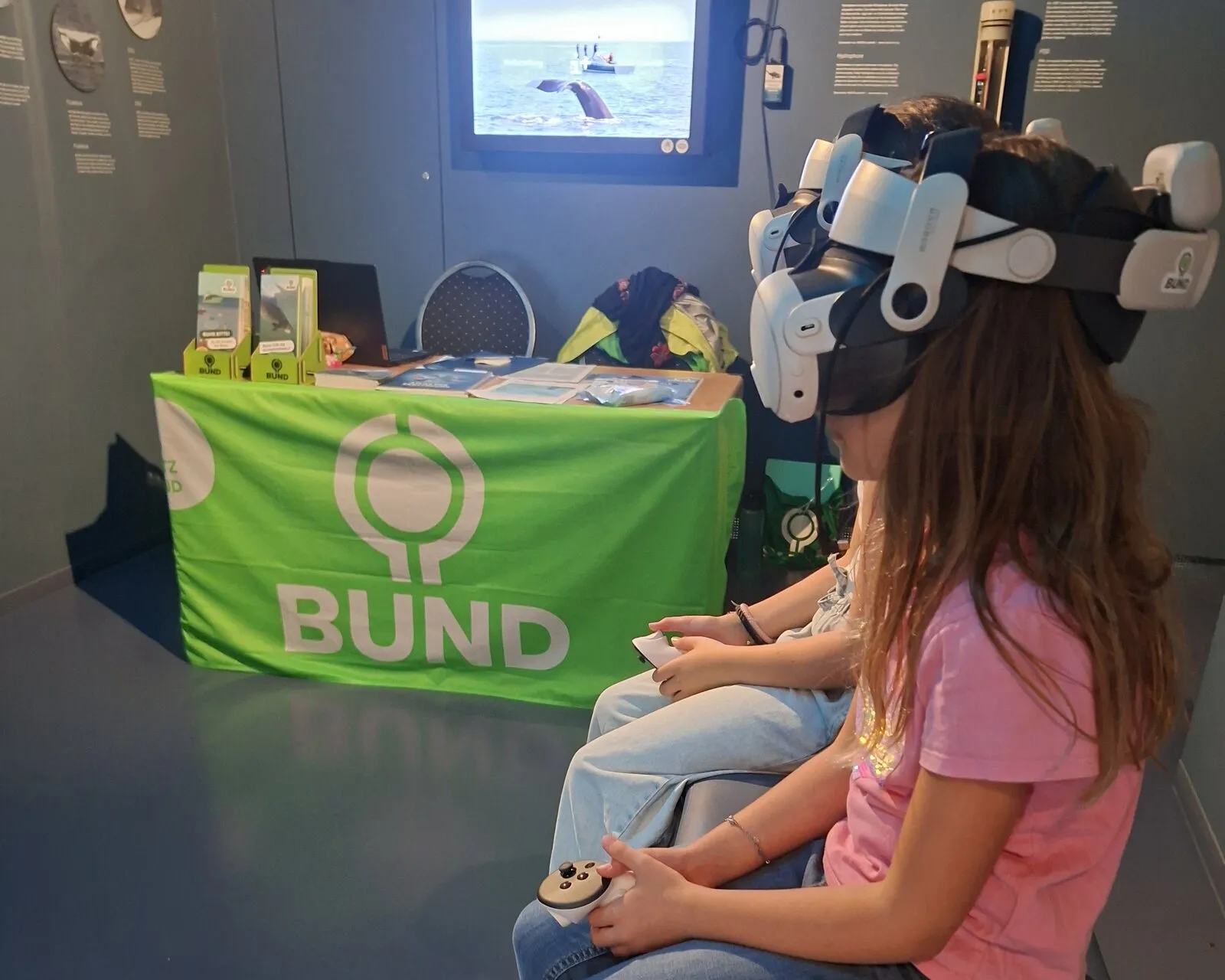
Put on a VR headset and become a harbor porpoise: viewers experience the North Sea in first person, find fish by biosonar, and feel what ship noise and pile driving for offshore wind farms do to the animals. In use at exhibitions, national park visitor centers, and schools.
- Client
- BUND Lower Saxony
- Industry
- Environmental organization, marine conservation exhibition
- Use
- Trade shows and events
- Format
- Virtual Reality
- Format
- 3D VR film
- Length
- 3.5 minutes
- Use
- Education
- Premiere
- August 2026
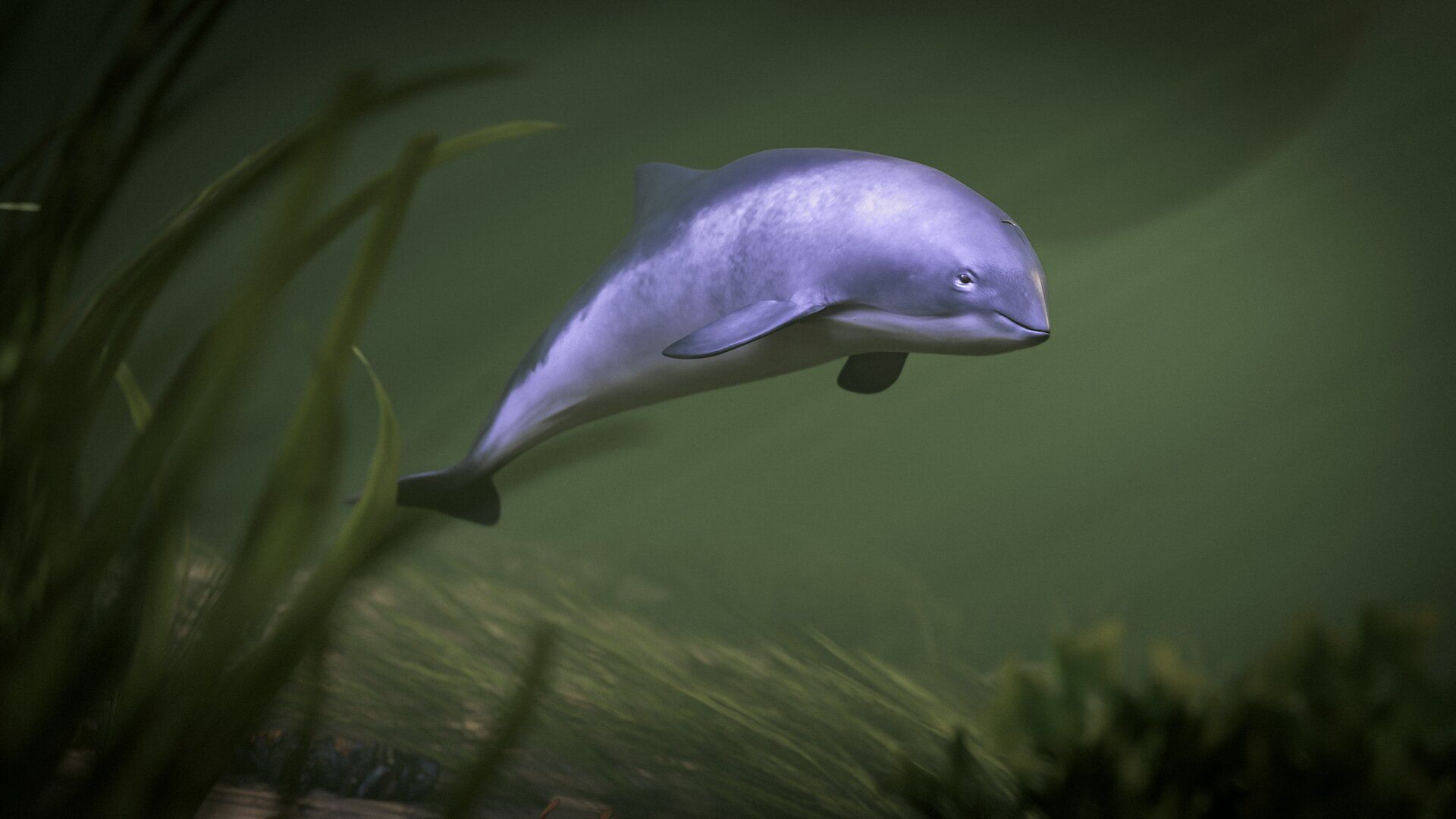
How do you protect an animal that hardly anyone knows? The harbor porpoise is the only whale that lives year-round in the North Sea and the Baltic Sea, and it is under threat. For BUND, Friends of the Earth Germany, we developed a virtual reality film in which viewers become a harbor porpoise themselves. They swim through its home waters in the North Sea, hunt for fish with its biosonar, and experience how underwater noise throws its life into disarray.
At a glance
- Client: BUND Lower Saxony, as part of the project “Ruhe für die Schweinswale” (quiet for the porpoises)
- Format: computer-animated film for VR headsets, as 180° 3D video with spatial sound and a narrator
- Perspective: viewers see and hear the North Sea as a harbor porpoise
- Topics: echolocation, ship noise, pile driving for offshore wind farms
- Use: traveling exhibition, national park visitor centers, information events, and school visits
Understanding with your gut, not just your head
Underwater noise is an abstract topic. You cannot see it, and on land you cannot hear it. Figures on decibels and sound propagation reach very few people. This is where the film comes in: anyone who glides through the water as a porpoise and is then rolled over by the roar of a freighter does not need to be convinced anymore. The understanding is instant, and it lasts.
That is the strength of virtual reality in environmental education. It does not explain, it lets people experience. You understand with your gut, not just with your head.
Three and a half minutes in the life of a harbor porpoise
The film follows a clear arc. A narrator accompanies the scene and puts what is happening into context.
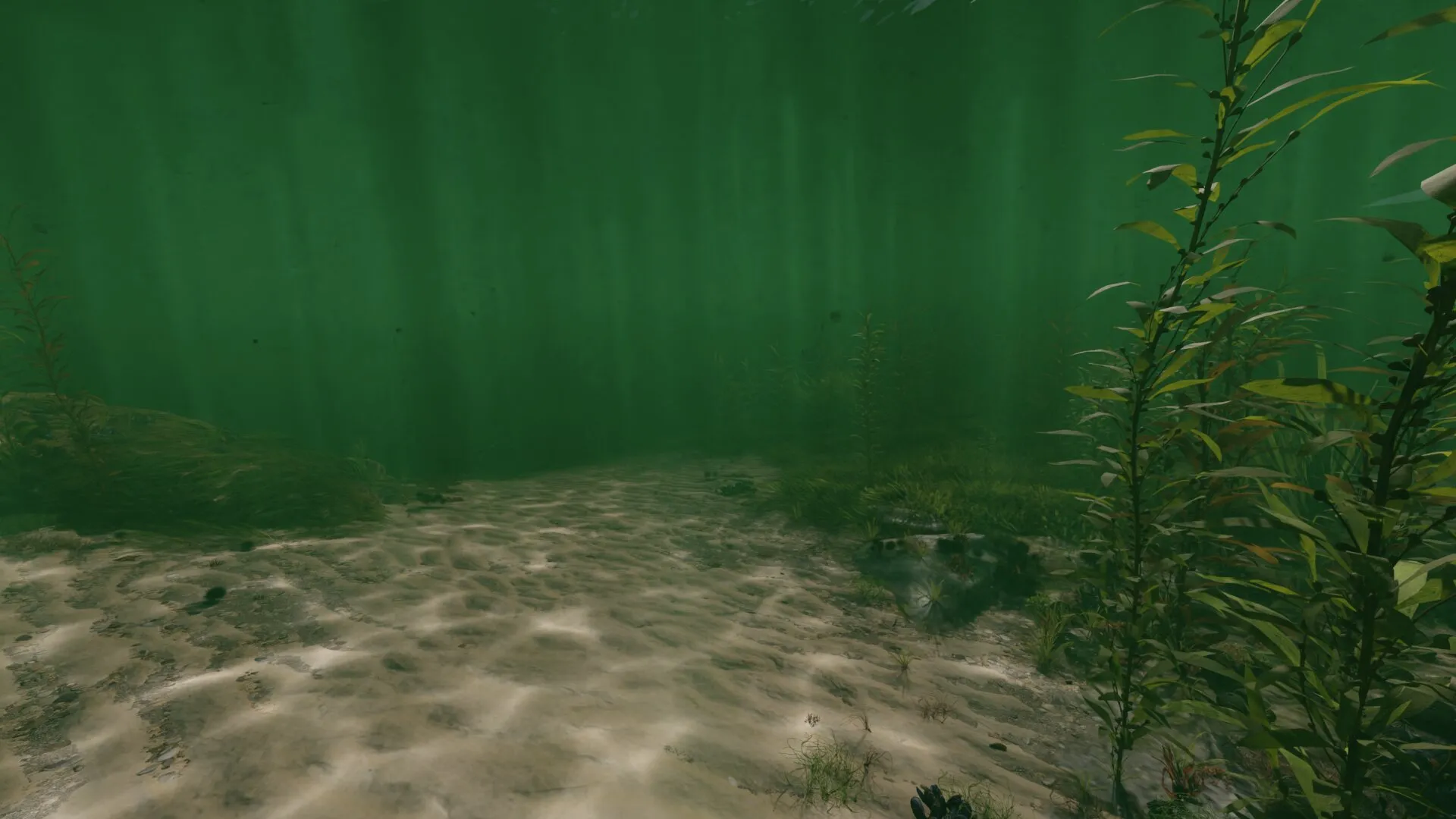
- Calm. The porpoise glides over a sandy seabed and seagrass. Light falls from the surface, particles float in the water. All you hear is the current, the waves, and the faint crackling of crabs.
- Hunting with biosonar. A school of fish passes by. The porpoise sends out clicks, visible as a fine wave of light that hits the fish and comes back. This is how porpoises find their way and their food.
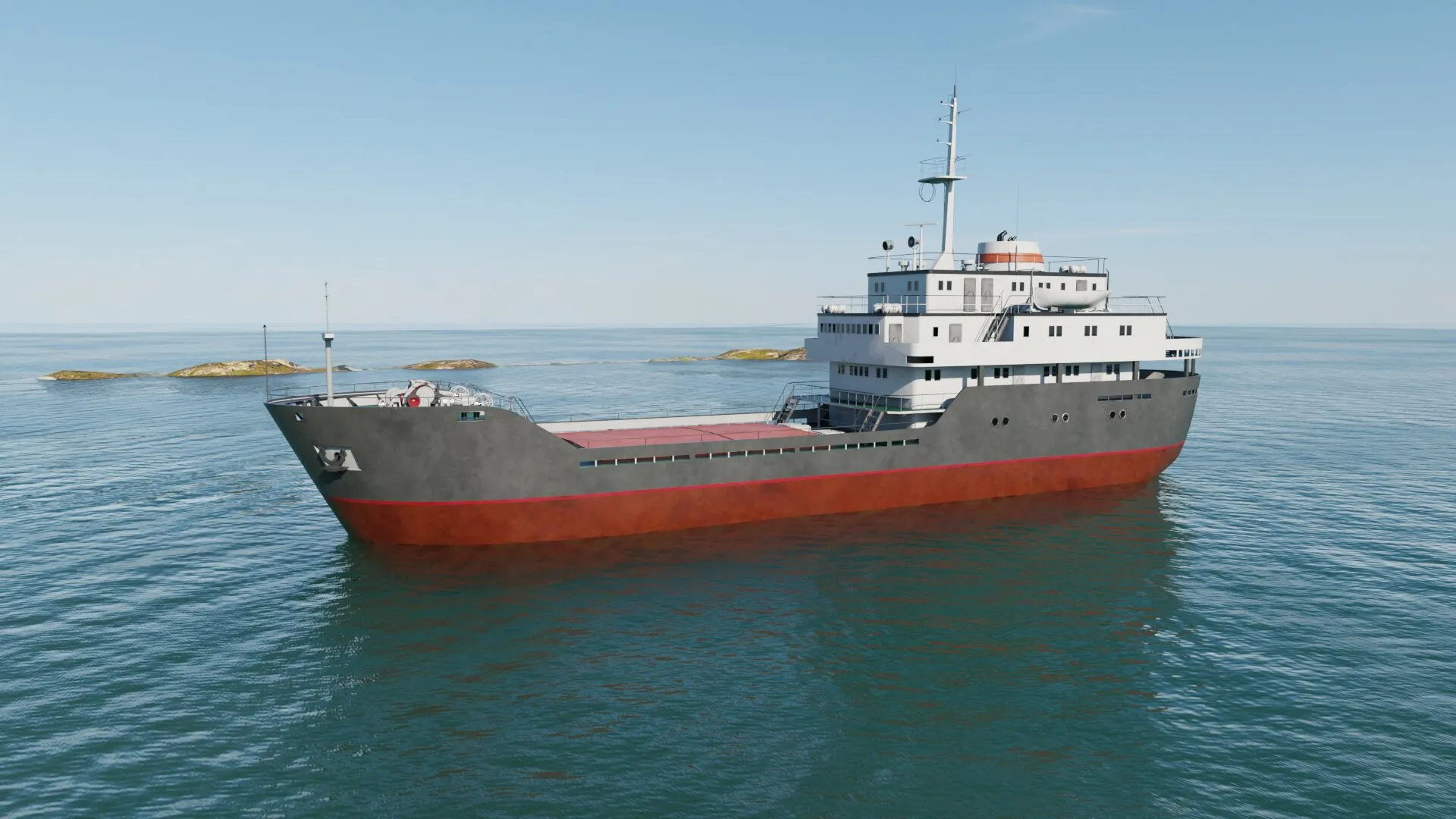
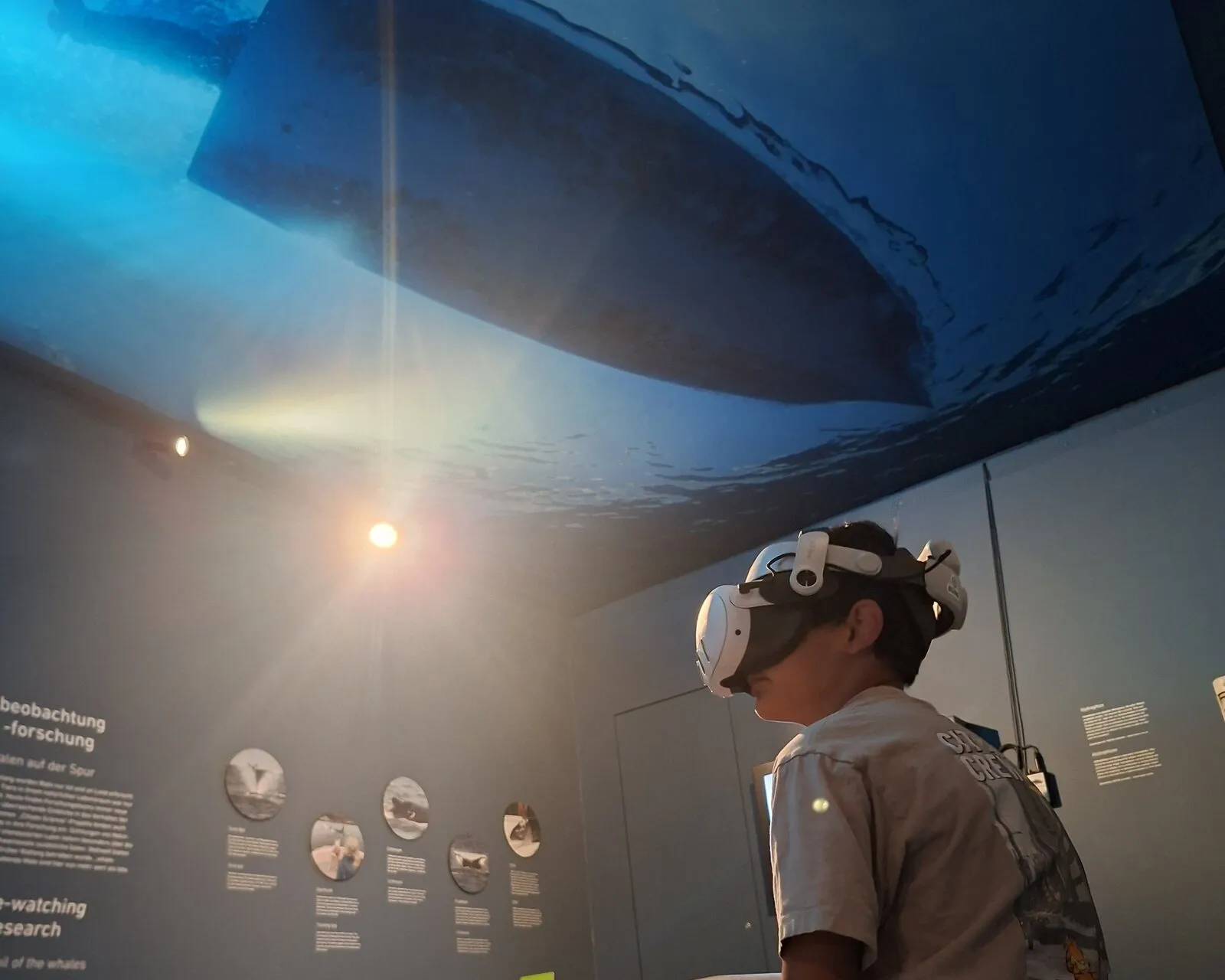
- A ship approaches. At first there is only a rumble from behind. Then it gets louder, a shadow slides overhead, propeller noise mixes in. The freighter passes just above the viewer, and its hull disrupts the biosonar.
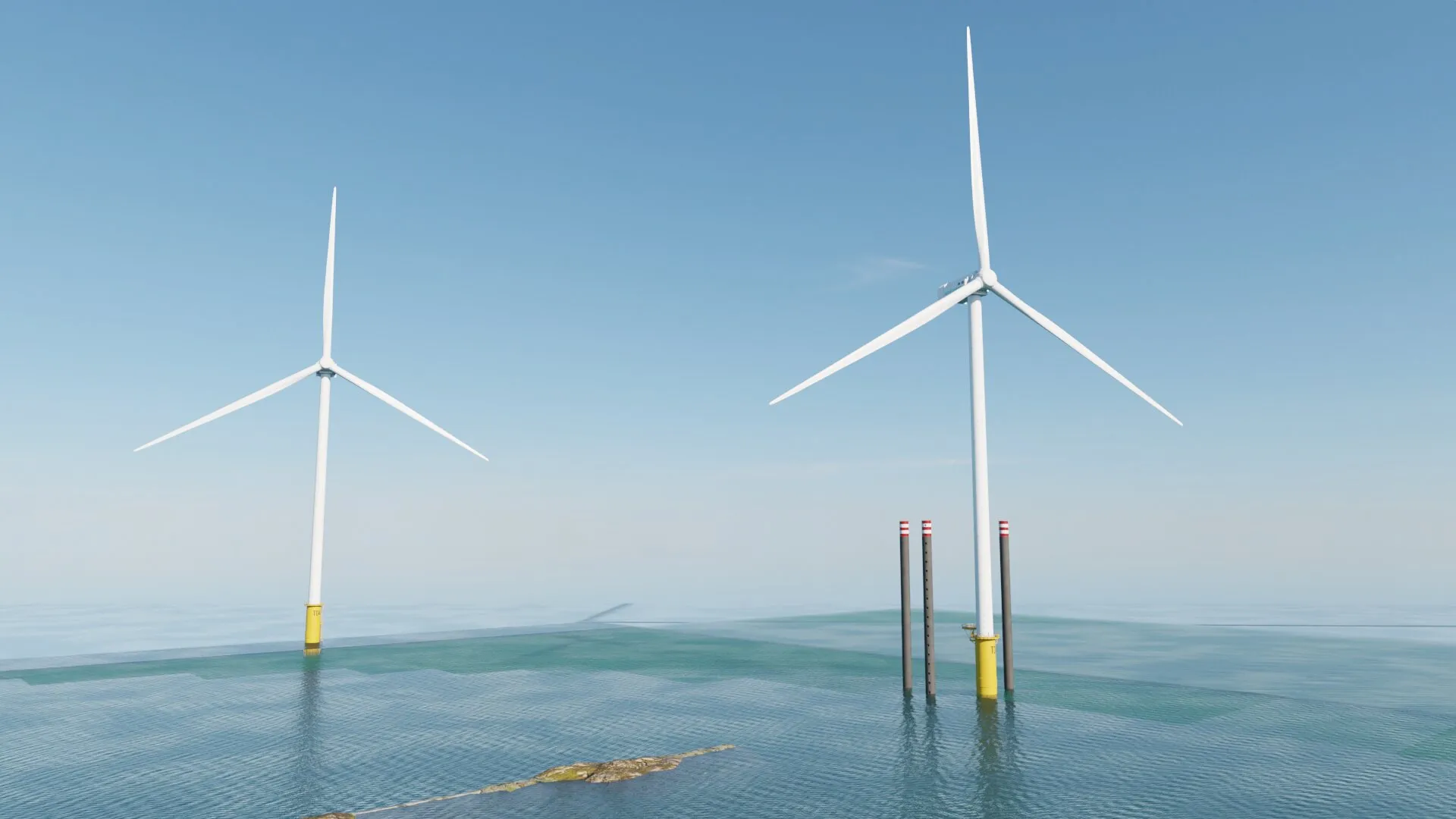
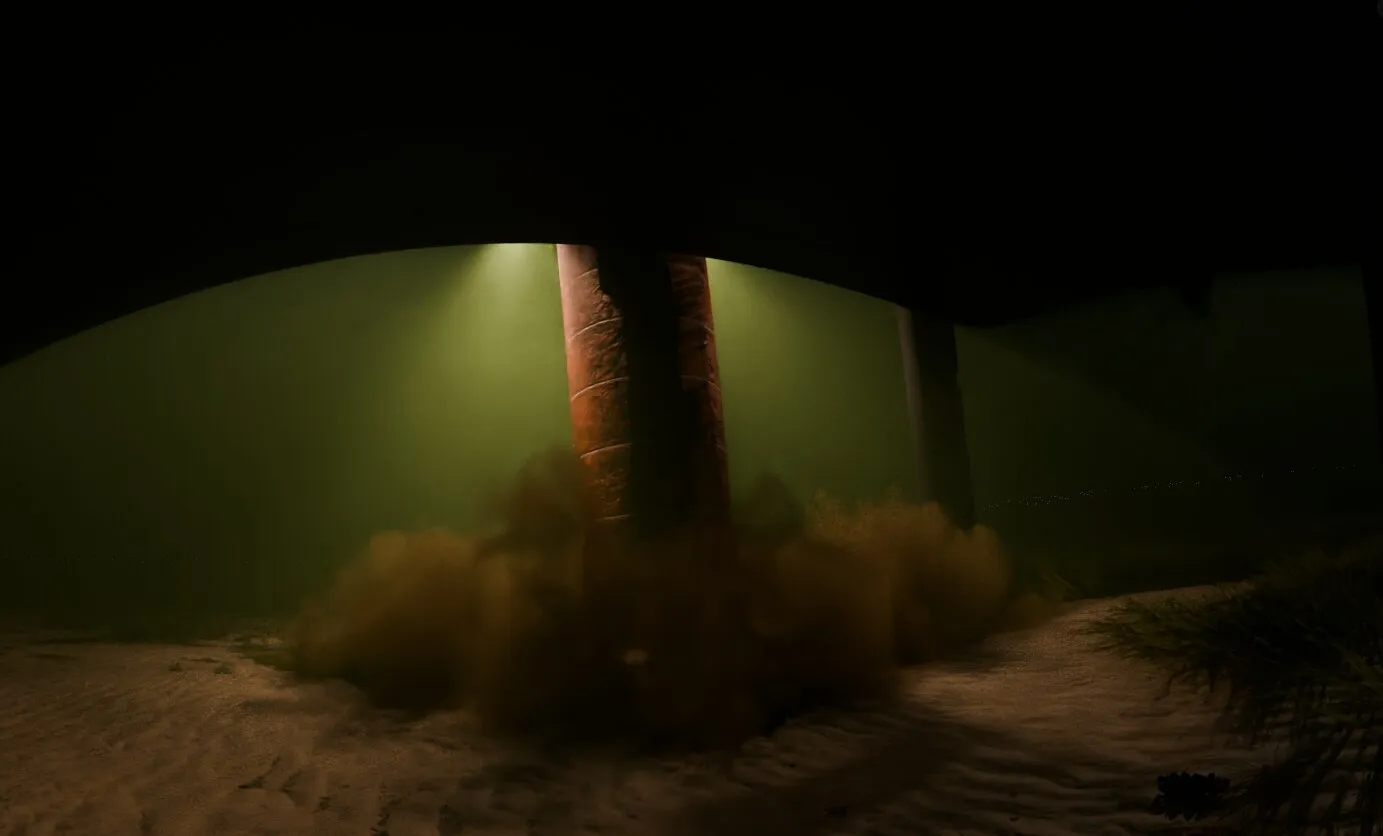
- Pile driving. A steel pile for a wind turbine appears in front of the porpoise. A deep blow, a pressure wave, sediment swirls up. The biosonar flickers, all orientation is lost.
- Recovery. The noise fades, the water clears, the clicks find their target again.
Sound is half the experience. We mixed it spatially: the ship can be heard coming from behind and moving forward, and the clicks come from wherever the porpoise is looking.
Why a film and not an interactive simulation
The application has to run without supervision, in an exhibition as well as in a classroom. That is why we made it a film rather than a game with tasks. Nobody has to learn or operate anything, the film starts and runs on its own. The movements are calm, so that people without VR experience feel comfortable too.
We rendered the film as 180° 3D video. This is the format Apple calls “immersive video” for the Vision Pro. The view reaches forward and far to the sides, and because the pixels are not spread over a full sphere, the image is sharper than in a 360° video. The spatial depth makes the fish, the seagrass, and the ship’s hull feel tangible.
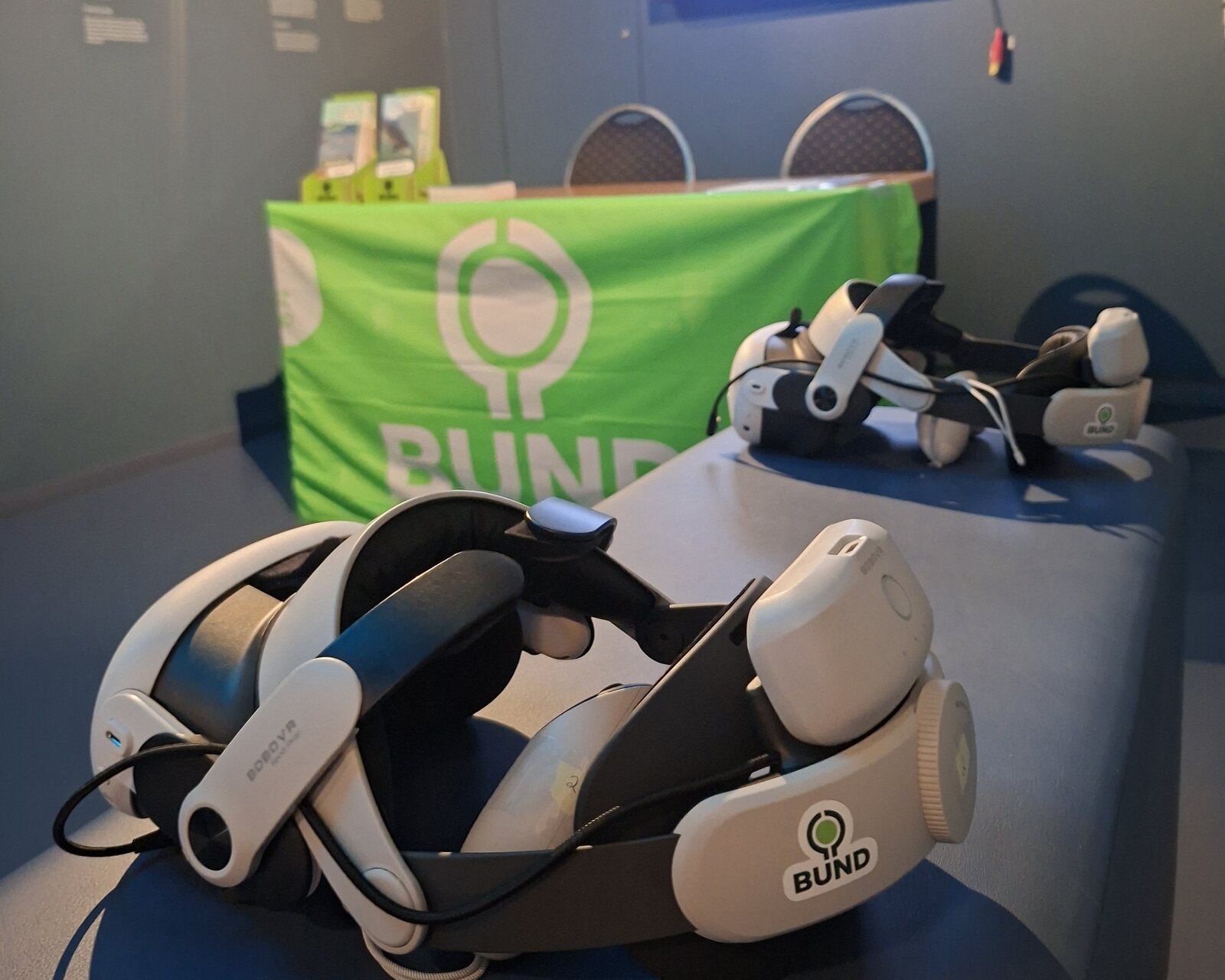
The film plays on standalone VR headsets, without a computer and without internet. An external battery on the head strap keeps the headset running for a full day at the exhibition.
The premiere
The film was first shown in late August 2026 at a marine conservation conference on the North Sea coast. Interest was high, among children as well as adults wearing a VR headset for the first time. The feedback from BUND afterward:
“It went really, really well! The reactions were all positive. The kids loved it most, of course, but older people in particular, who had never tried VR before, were sometimes truly moved. One lady even had tears in her eyes and did it three times in a row. The external battery for the headset is really valuable too, it kept the application running all day.”
BUND Lower Saxony, after the premiere
At the final approval, the project team had already highlighted two things in particular:
“You really nailed the biosonar, and I think the narrator during the scene is really, really good too! I am totally happy. Thank you so much for all your effort and the extra rounds of revisions!”
BUND Lower Saxony
One headset is now on its way to Mecklenburg-Western Pomerania, for the unveiling of an information board about marine mammals on the island of Poel.
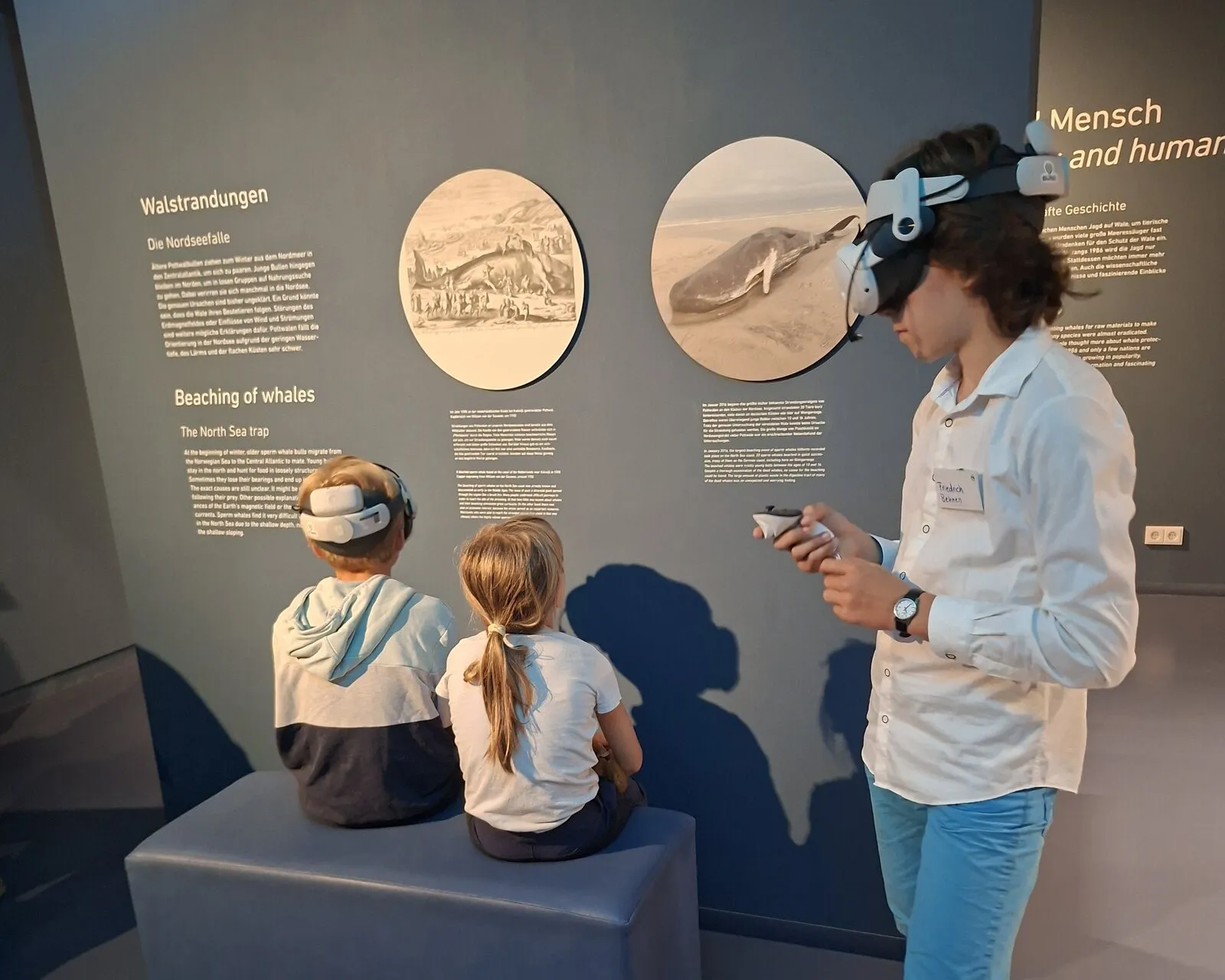
What carries over
A change of perspective is one of the most powerful tools virtual reality has. For nature conservation and environmental education, this means people experience the world through the senses of an animal, or in a place they would otherwise never see. This works for migratory birds, insects, coral reefs, the soil beneath a field, or a bog being rewetted.
For associations, foundations, museums, and public authorities, a computer-animated VR film is often the right way to start. It is finished faster than an interactive simulation, runs without supervision, and can later be extended with game elements. Learn how we approach such projects on our page about VR videos in 360° and 180°. We explain the difference between film and simulation in our knowledge hub: 360° video or virtual reality simulation?
Quotes translated from German.