
The difference between 360° videos and virtual reality simulations
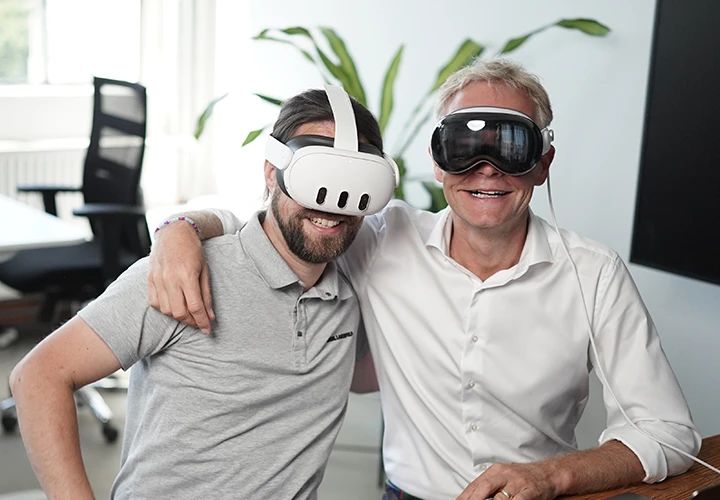
In a 360° video, you can look around freely but have no influence on what happens. In a virtual reality simulation, you take action yourself, move objects and carry out tasks. Both technologies offer immersive experiences, but they differ significantly in interactivity and purpose. As a VR agency, we are often asked which format is better, and that depends entirely on the goals you want to achieve.
360° video: a passive experience
As the name suggests, a 360° video is filmed in every direction, so you as the viewer can look around freely. You can turn your head as if you were there, but you have no influence on what happens. One example is a virtual tour of a production facility. 360° videos are quick to produce, give a good sense of space and are ideal for marketing, company presentations or training.
Advantages:
- Fast and affordable to produce.
- Easy to access, because 360° videos can also be watched on smartphones or computers.
- Perfect for connecting with people emotionally and immersing them in an environment without complicated interactions.
Disadvantages:
- Little interactivity: Viewers can only watch the video, not interact with the environment. With custom programming, however, we can add a few interactions, such as quiz questions or a choice of which storyline to follow.
Virtual reality simulation: an interactive experience
A virtual reality simulation goes a step further. Here you can not only look around but also take action in the simulation, move objects or carry out tasks. It is as if you were part of a virtual world. VR simulations are often used for training or product presentations where detailed interaction matters, such as operating a machine or experiencing complex workflows.
Advantages:
- High interactivity: Users can interact with the environment and gain deeper learning and experience.
- Realistic feedback: Especially helpful in training or complex simulations for practicing behavior and responses to actions.
Disadvantages:
- Longer development time and higher costs, because these projects are technically more complex and require custom programming.
Conclusion
If you want to deliver an immersive experience quickly and easily, 360° video is the right choice. If interactivity and learning by doing are the priority, however, nothing beats a virtual reality simulation. At VRtual X, we offer both technologies and always advise you individually on which solution best fits your project.