Medtronic
Surgical Training in Virtual Reality
For Medtronic, we developed 360° videos of surgical procedures and an interactive surgery simulator. Both are used to train surgeons and in sales.
- Client
- Medtronic
- Industry
- Medical technology
- Use
- Training, Sales and marketing
- Format
- Virtual Reality
The benefits of Virtual Reality in medicine
Virtual Reality (VR) has become a valuable tool in medicine. It offers an immersive, interactive environment that works both for training physicians and for presenting products. VR simulations let learners build their skills in a safe setting, and they also offer an innovative way to present complex medical technology.
VR simulations and 360° videos: immersive experiences for training and sales
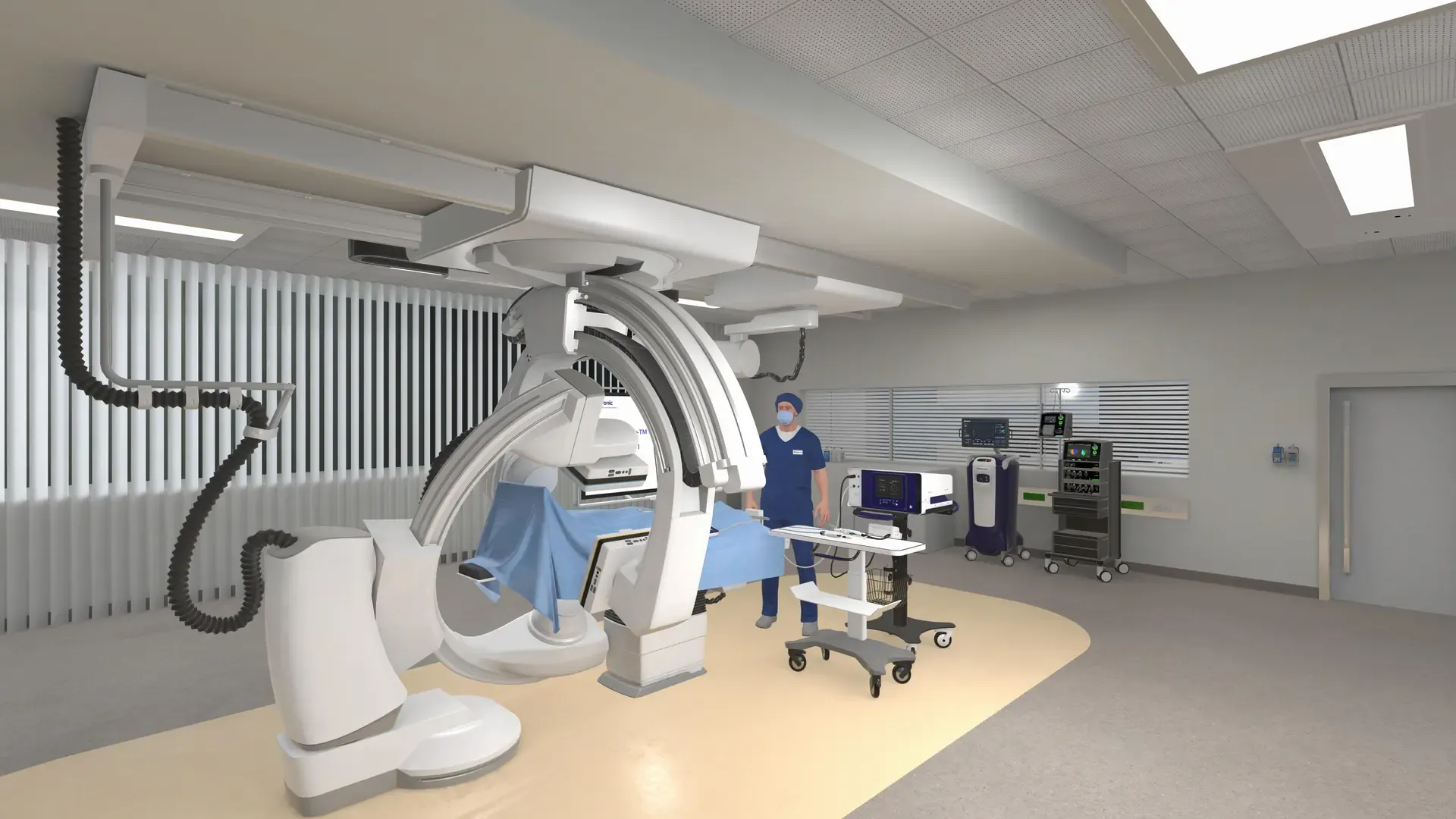
We have created a large number of 360° videos, animations, and simulations for Medtronic. We filmed live surgical procedures with our 360° cameras to show them realistically. These videos let trainees observe the entire operating room, including how the equipment, tables, and instruments are arranged. They can also see how the medical staff behave and how the procedure unfolds over time.
Our 360° videos have been used successfully in Medtronic’s training programs for years. During a session, all participants put on VR headsets and experience the procedure in an immersive video. It is comparable to accompanying a chief physician during surgery while every step is explained.
Carsten Leopold, T&E Specialist at Medtronic, explains:
“We started with Virtual Reality during the COVID-19 pandemic. We showed our technologies in 360° video. Last year, we produced an innovation video in 360° for VR headsets. It lets us present our products immersively at medical conferences.”
Interactive surgery simulators: hands-on training and effective sales
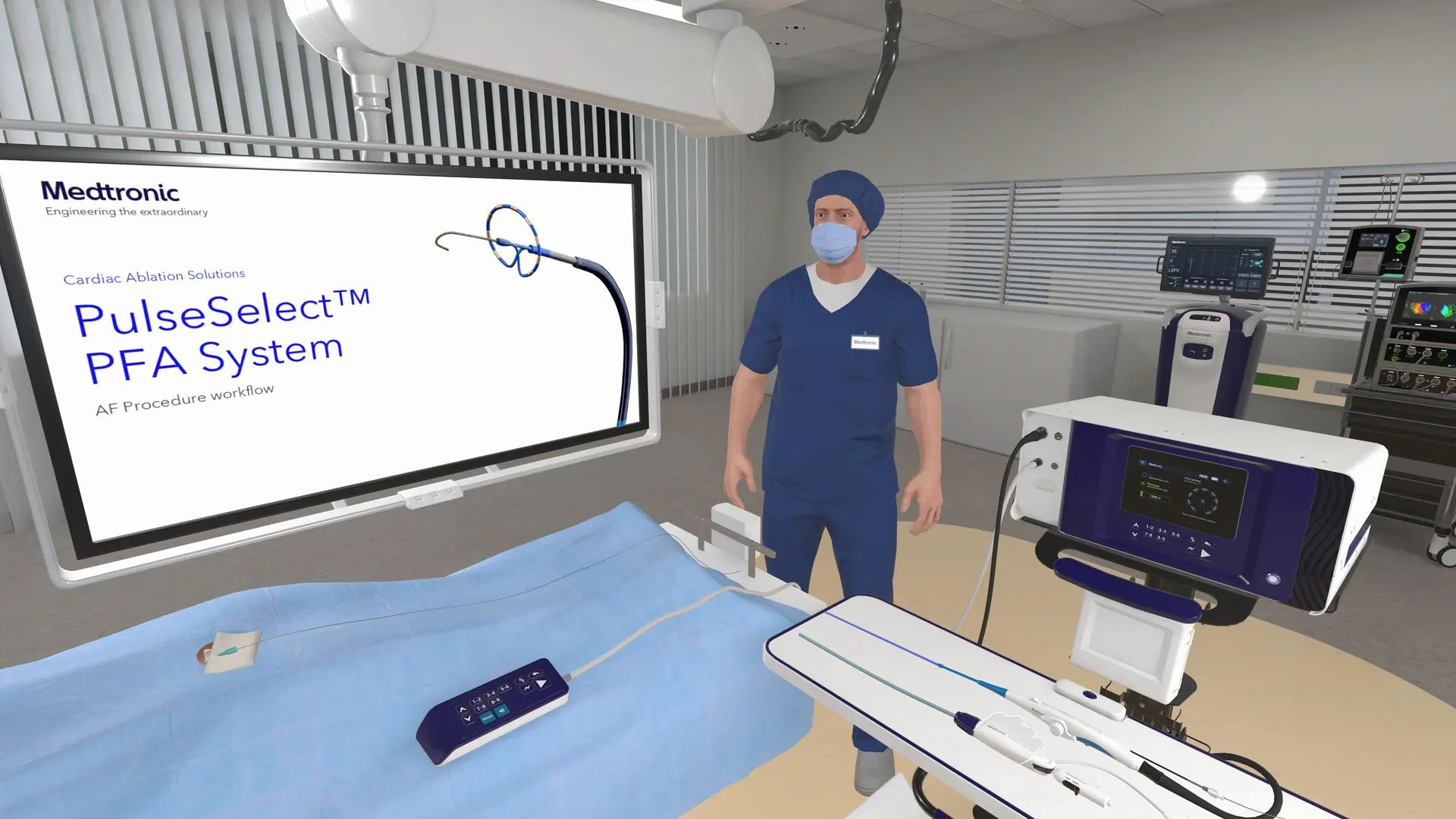
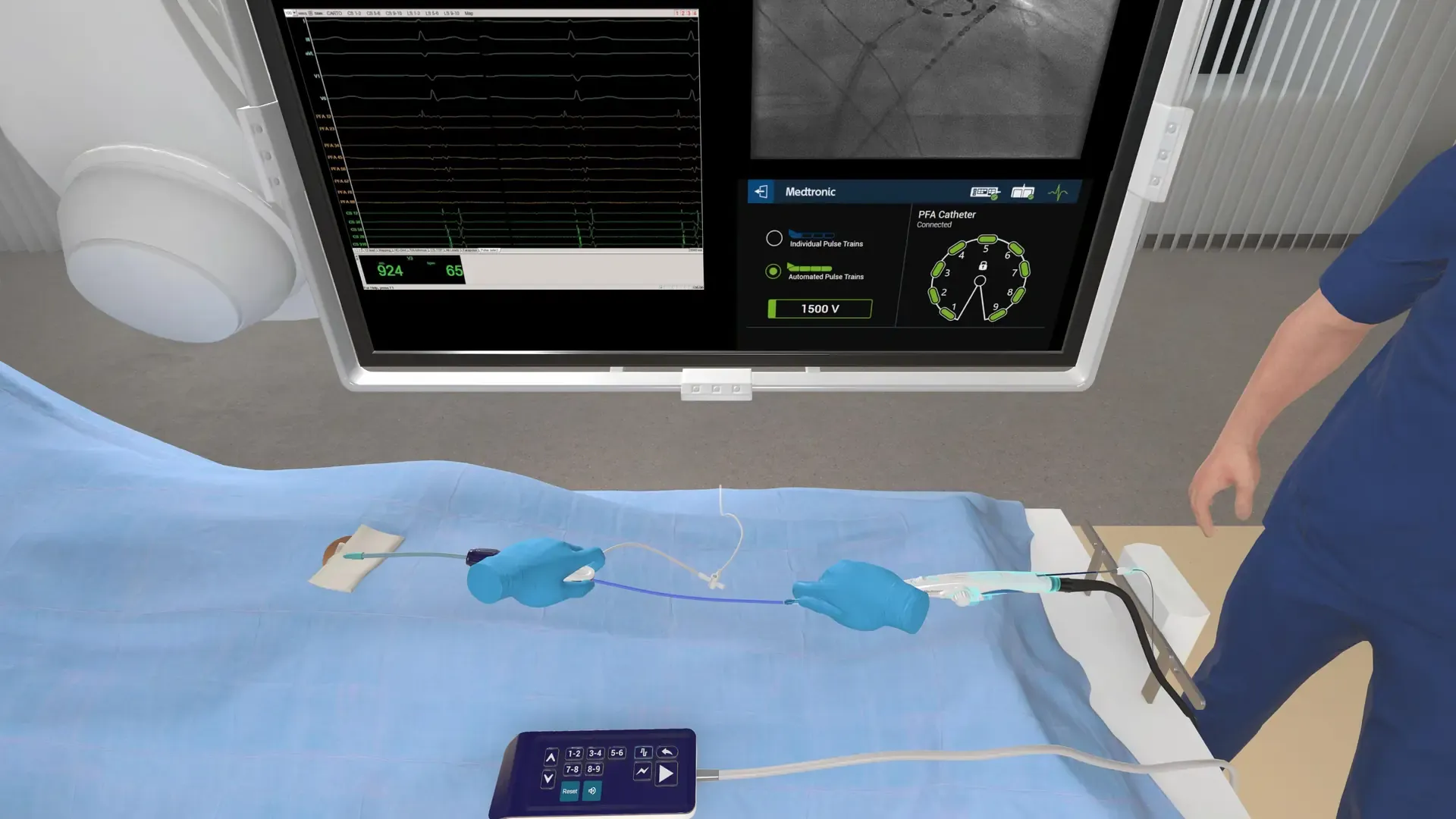
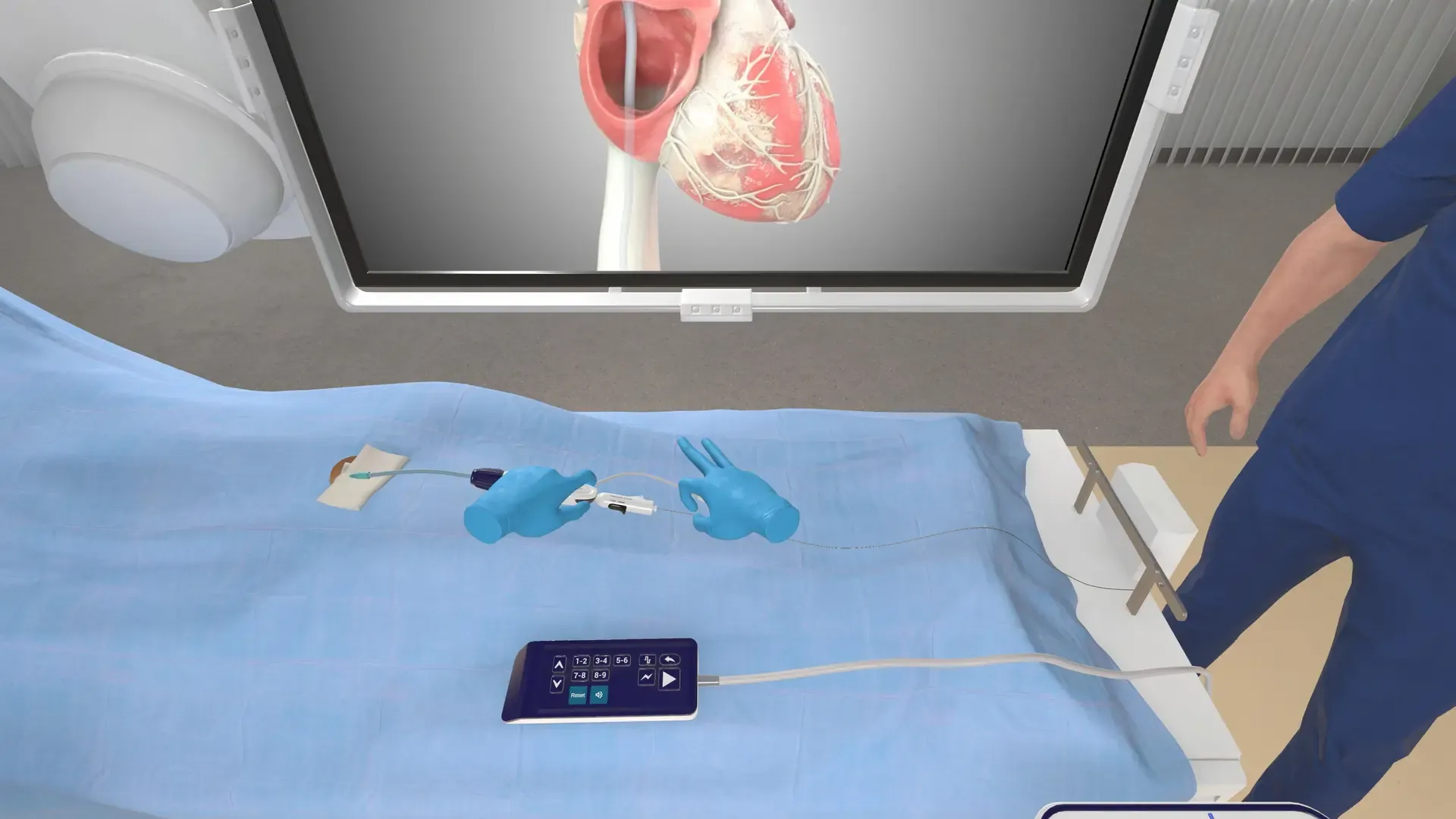
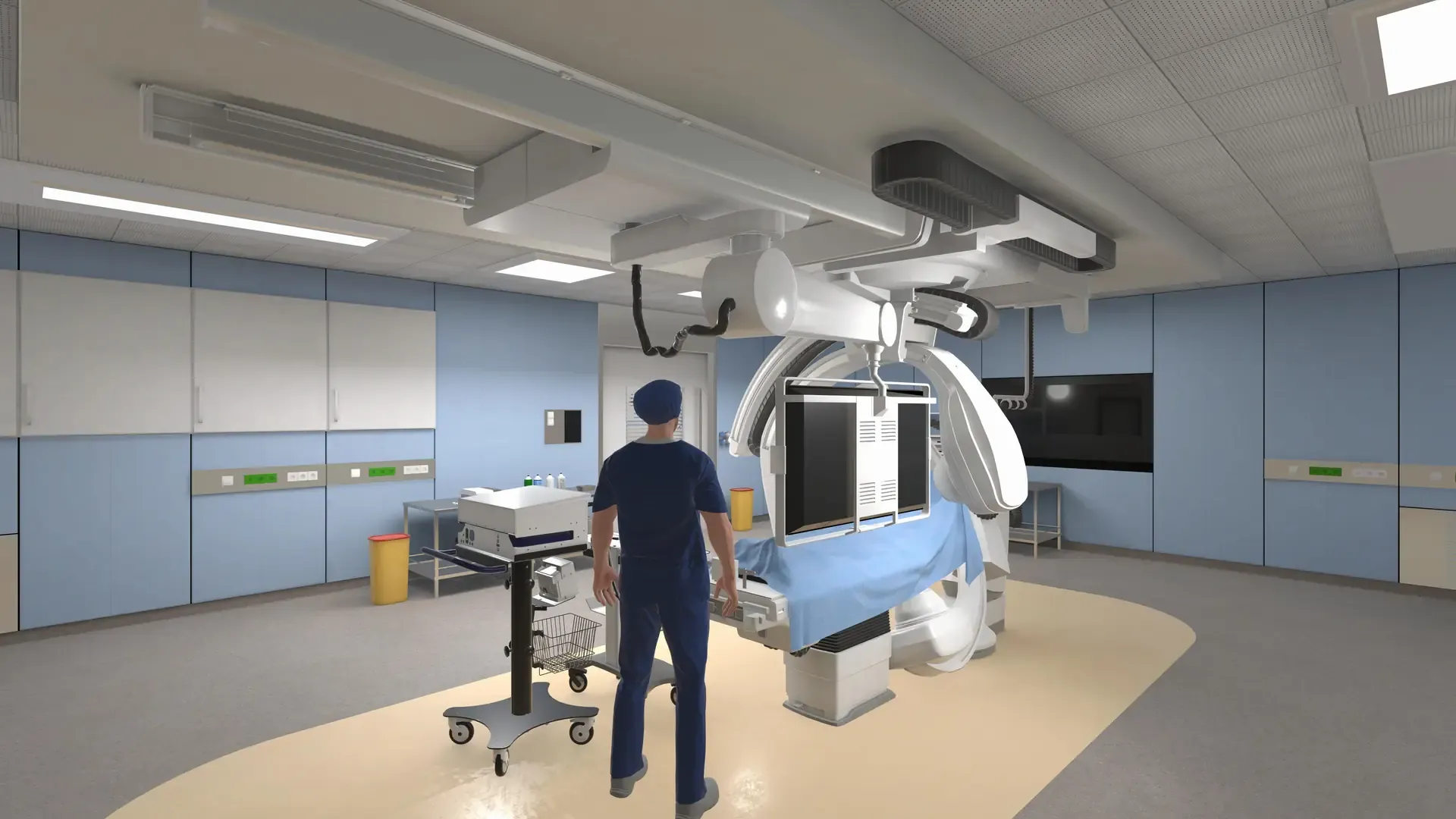
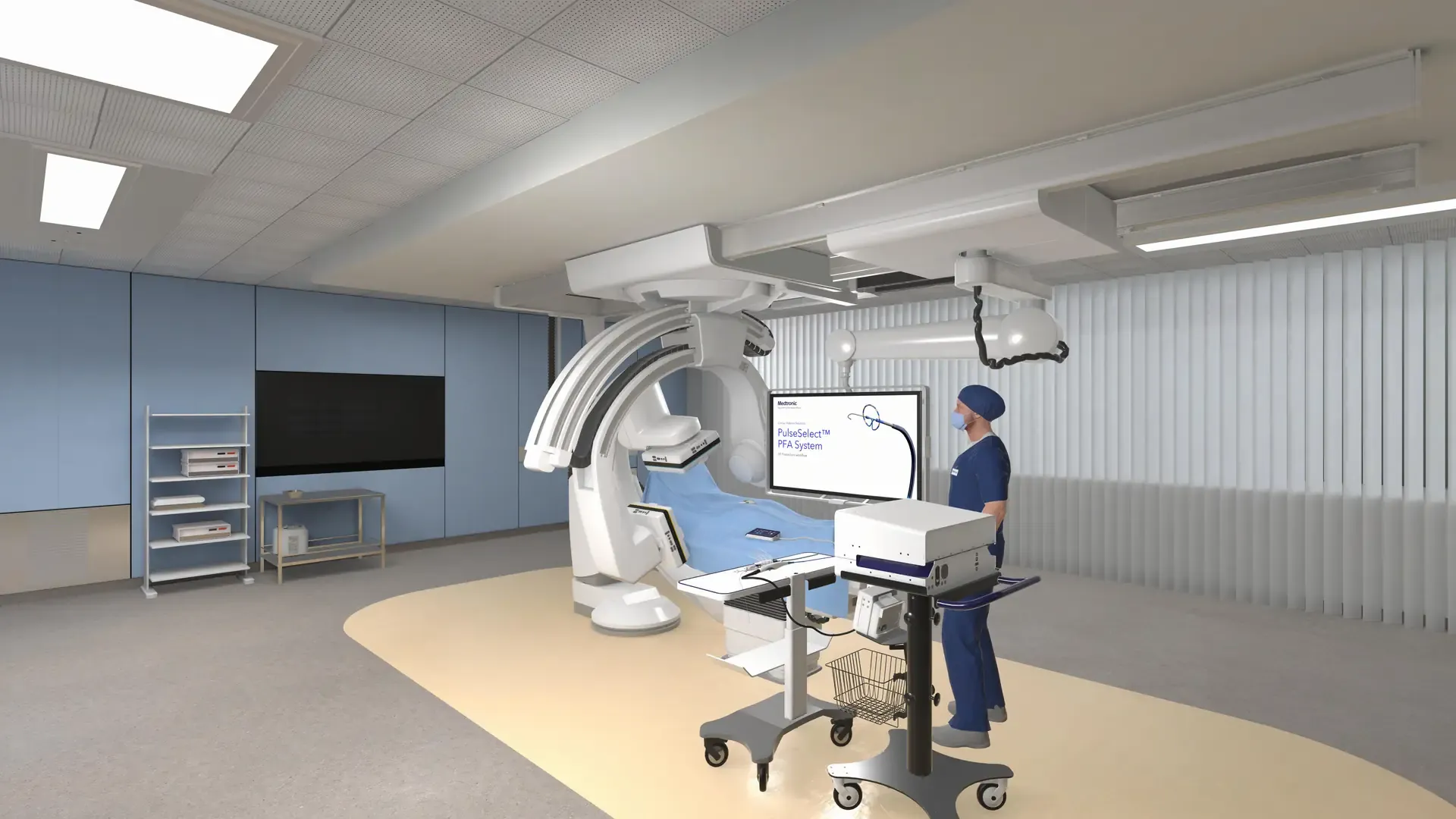
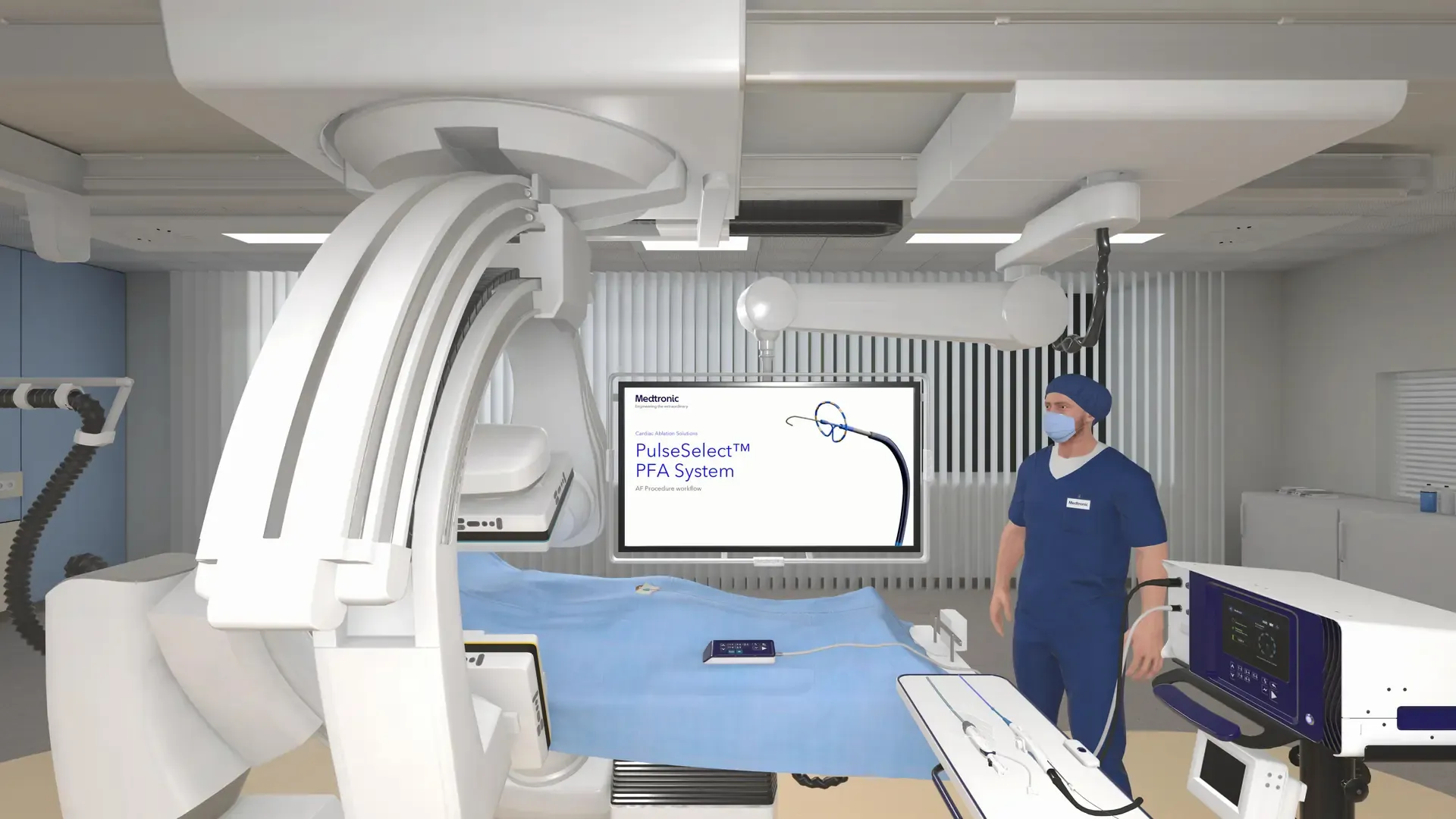
Because our 360° videos were so successful, Medtronic commissioned us to develop an interactive surgery simulator. In this simulator, users perform a complete procedure in real time on a virtual patient. An avatar trainer guides them through the operation step by step and gives instructions. Every movement has to be carried out exactly as in a real procedure.
The simulator uses hand tracking, so users do not need controllers. The VR headsets recognize the users’ hands, which means the required movements, hand positions, and placements can be practiced precisely. This VR simulation closes the gap between theory and practice and prepares surgeons optimally for real operations.
Alessandro Sartori, T&E Manager at Medtronic, emphasizes:
“The mix is unbeatable: with the real products, you can practice the handling. And the virtual version gives you a lot more information on top of that. Our new VR offerings help draw more attention to our products.”
VR in sales: innovative product presentation
Bringing VR into sales has many advantages. It allows Medtronic to present its products in an innovative, immersive way. VR simulations can be adapted to show different scenarios and applications that are hard to demonstrate in the real world.
Lara Dahlbüdding, MKT at Medtronic, adds:
“Using Virtual Reality headsets now makes our work much easier. We can present our products and innovations interactively, anytime and anywhere. We can offer our customers a hands-on experience.”
Medtronic already relies on VR technology both to improve surgeon training and to market its products effectively. Combining theoretical knowledge, immersive videos, and interactive simulations creates a comprehensive approach to optimizing both training and sales.
Cost efficiency and an innovative image through VR
Using Virtual Reality not only benefits training and sales at Medtronic, it also saves the company a noticeable amount of money. With VR simulations and 360° videos, training sessions and product presentations become more efficient, with no need for travel or physical presence. This reduces not only the logistical effort but also participants’ exposure to X-ray radiation, as Carsten Leopold points out:
“With our interactive simulation, we can now show medical devices and medical settings without traveling, and we can reduce participants’ exposure to X-ray radiation.”
VR also strengthens Medtronic’s image as an innovative company. By using state-of-the-art technology to renew both training and product presentation, Medtronic positions itself as a pioneer in the medical technology industry. This capacity for innovation not only attracts customers’ attention but also strengthens trust in the brand and its products.
Conclusion
Our work with Medtronic shows how VR technology can transform both medical training and sales. By combining 360° videos and interactive simulations, we offer a hands-on, immersive method that prepares surgeons optimally for real operations and takes product presentation to a new level. The benefits of VR in medicine are wide-ranging and will shape the future of medical education and sales.