Campus Schule Wirtschaft Rottweil
Companies Showcase Their Apprenticeships in VR
The “Arbeitswelten” (Worlds of Work) in Rottweil use our VR solution to present regional apprenticeships. A physical exhibition hall and virtual reality combine into a new approach to career guidance.
- Client
- Campus Schule Wirtschaft Rottweil
- Industry
- Career orientation
- Use
- Recruiting and apprenticeships
- Format
- Virtual Reality
The “Arbeitswelten” in Rottweil: a hybrid project sets new standards
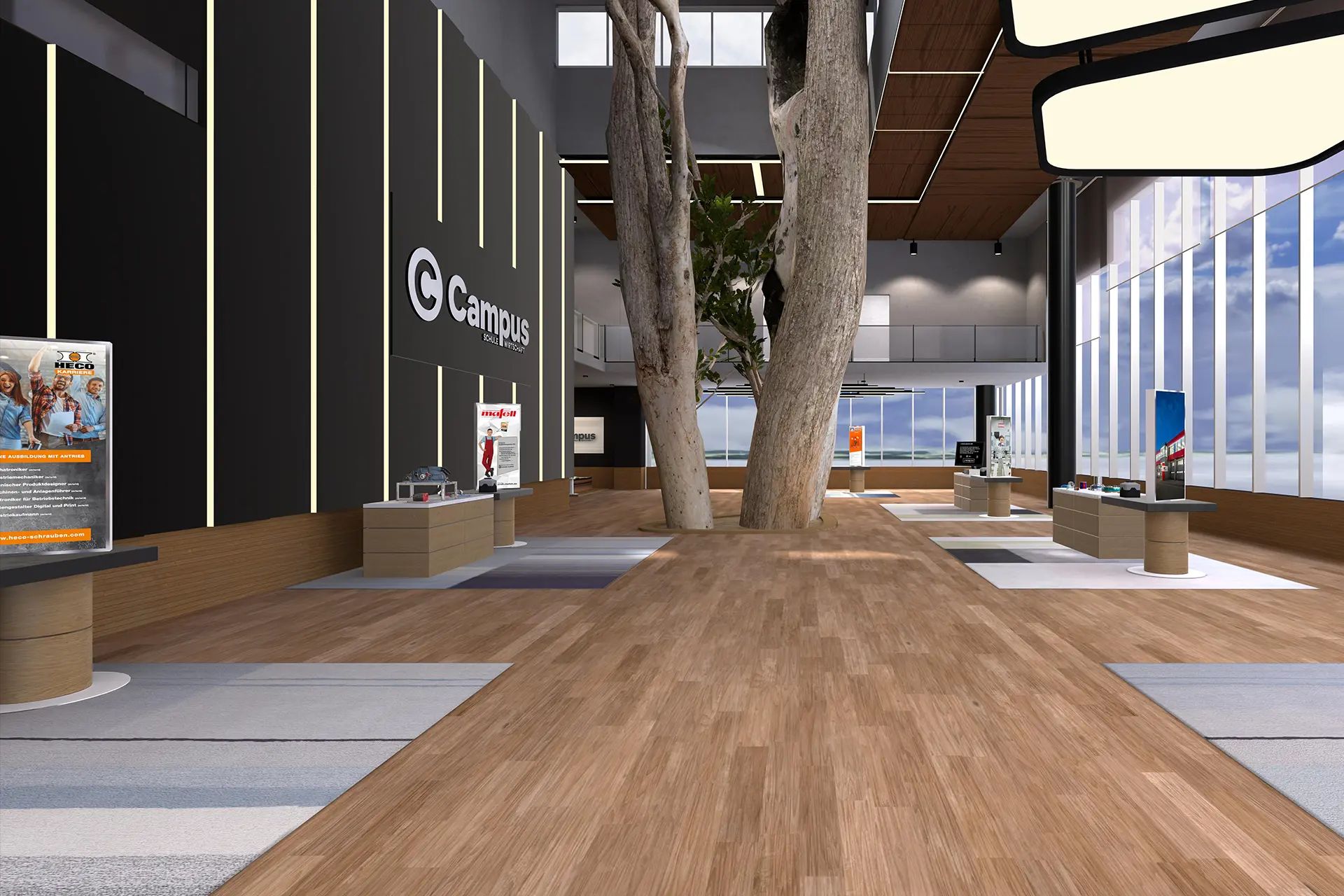
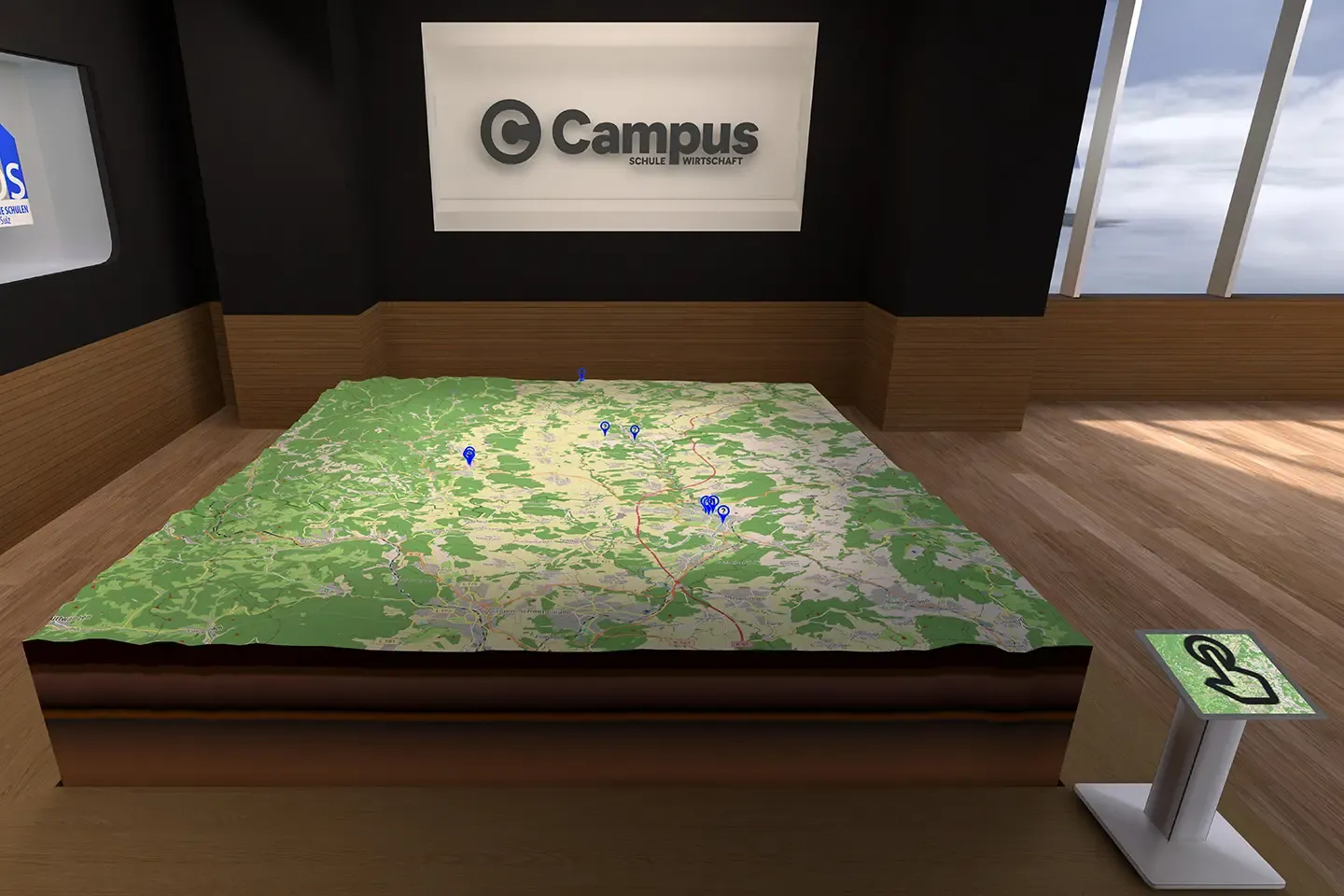
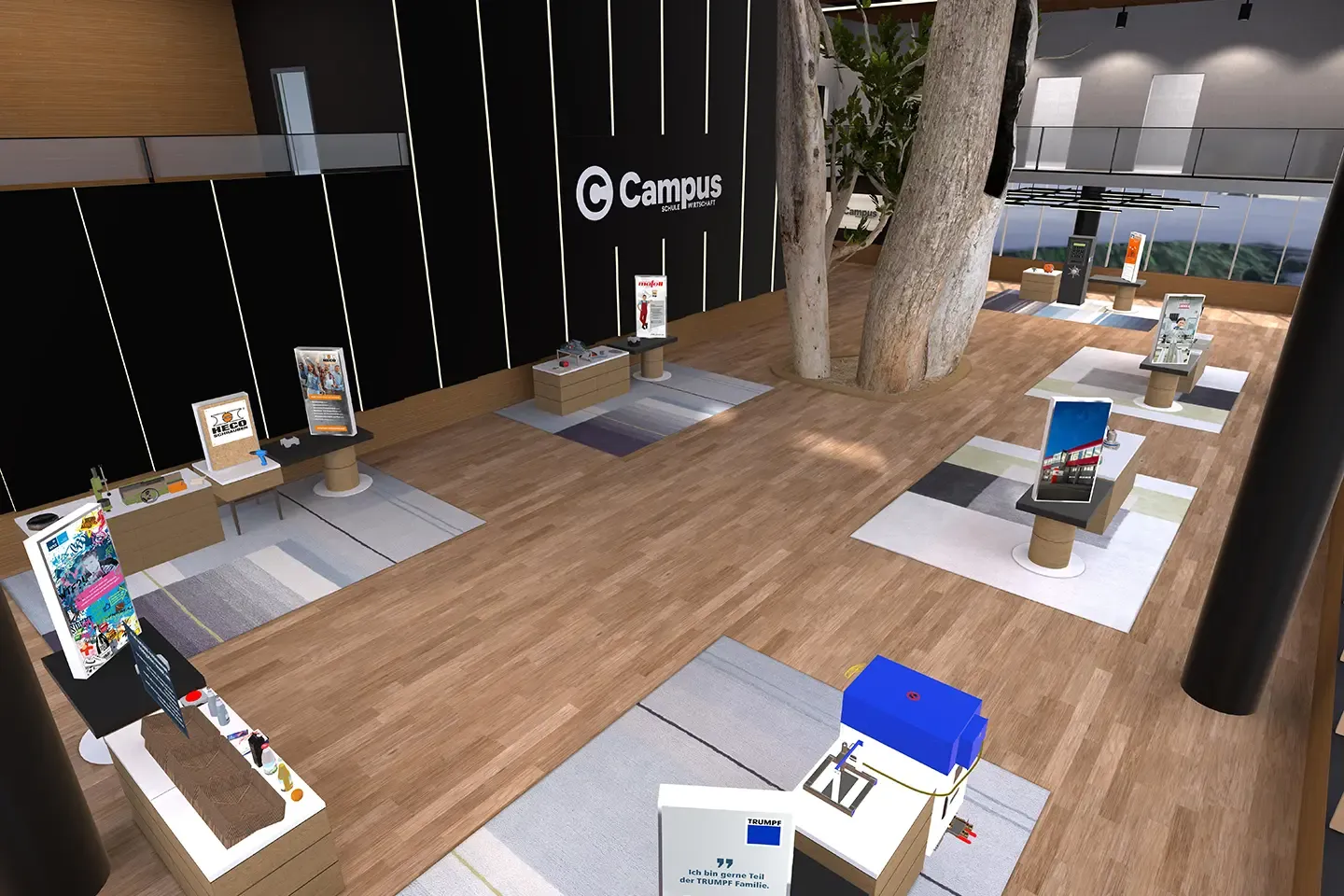
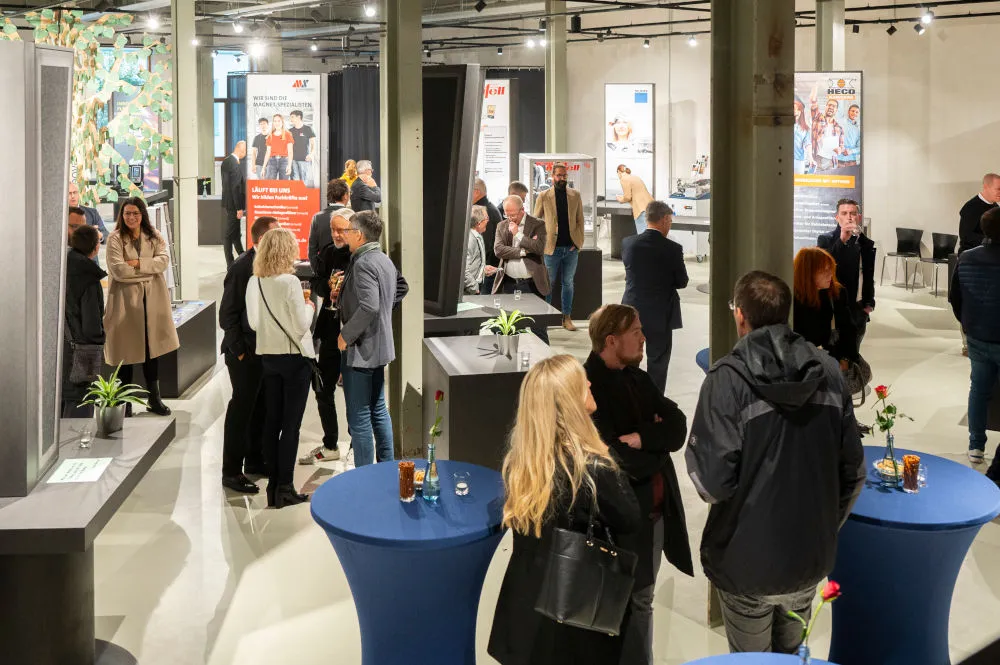
In Rottweil, we built a bridge between the real and the virtual world. The “Arbeitswelten” (Worlds of Work) are more than a physical exhibition hall with real exhibits. They expand what visitors can experience through virtual reality.
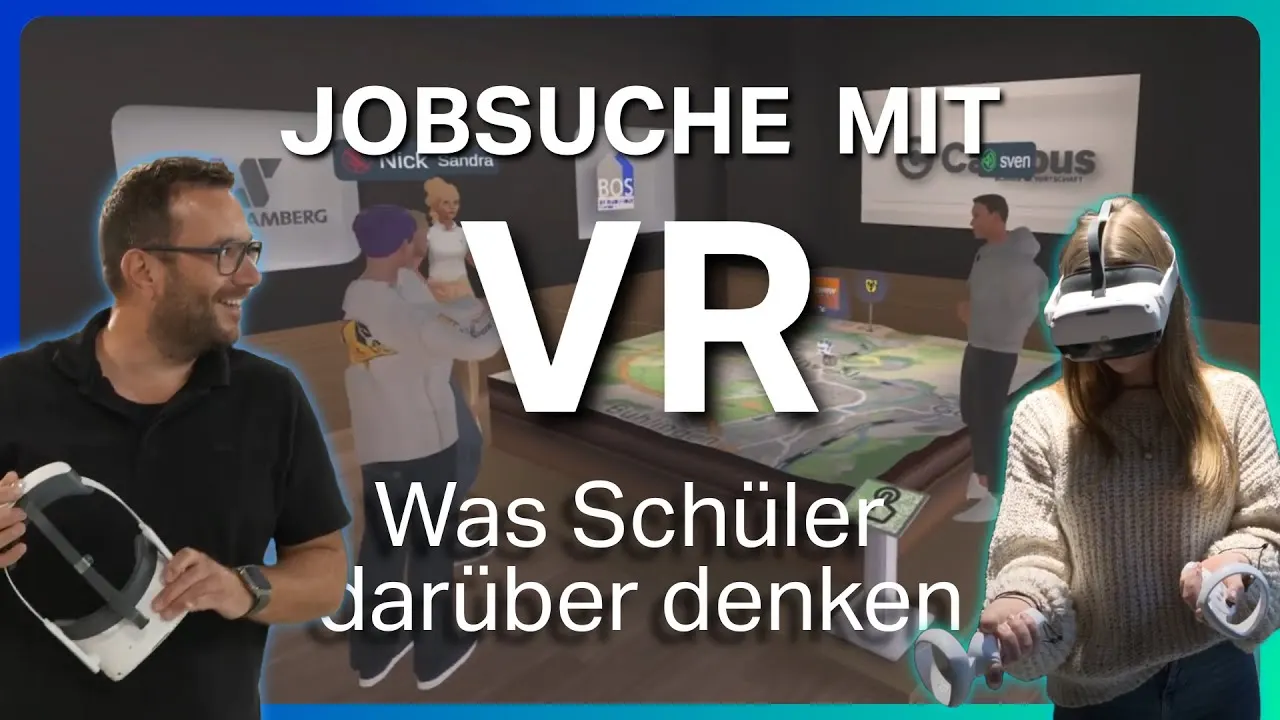
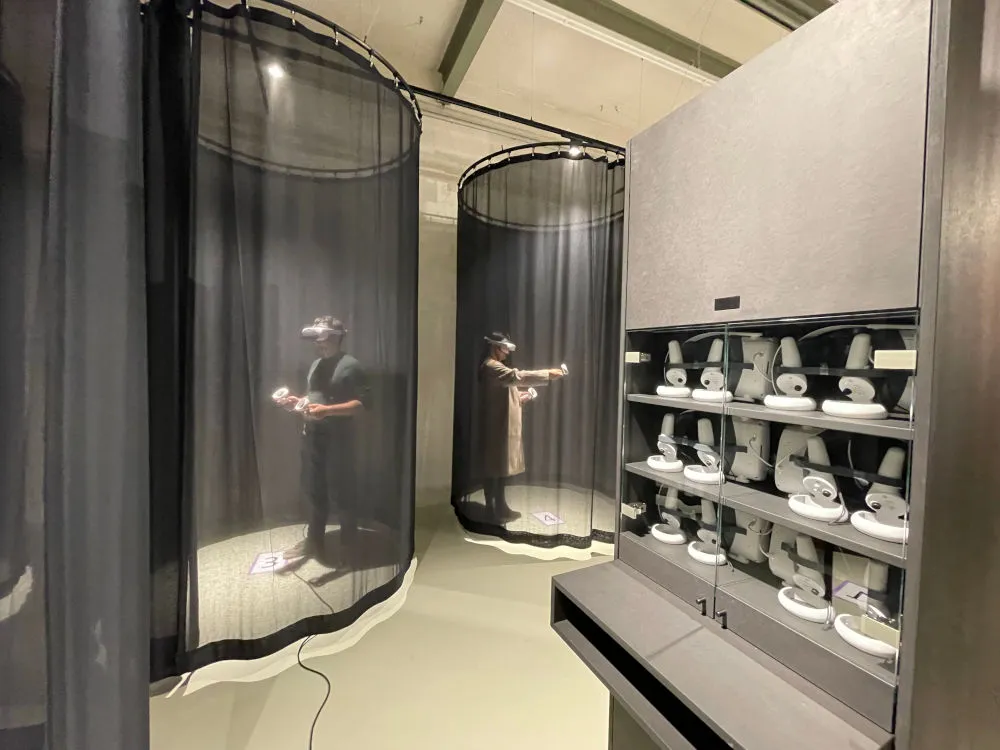
With up to 24 VR headsets, visitors can immerse themselves in a digital dimension that broadens the horizons of vocational education. 8,000 young people in the region can explore careers in a playful way and connect directly with potential employers.
Article on the opening in the Schwarzwälder Bote, a regional newspaper
A step into the future of career guidance
Two years of intensive planning and development by VRtual X and Campus Schule-Wirtschaft produced a one-of-a-kind project. It was finally inaugurated on Friday, October 27, 2023. It promises to be a forward-looking way to tackle the shortage of skilled workers.
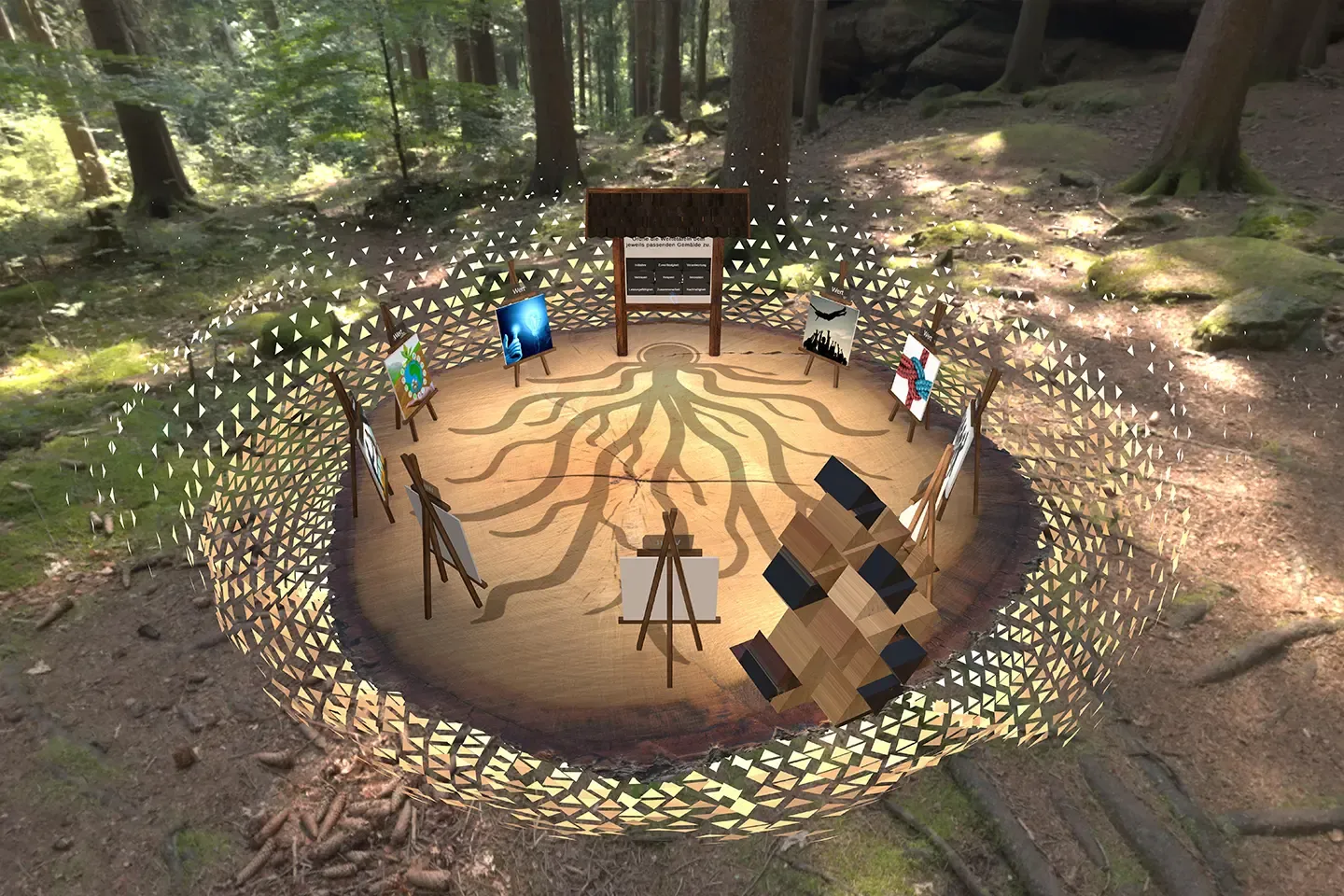
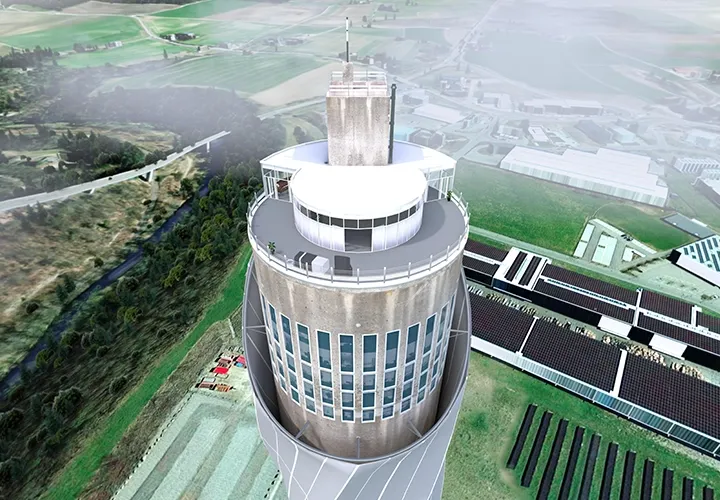
The “Arbeitswelten” give young people an entertaining way to immerse themselves in the working world. Whether they smash a piggy bank, climb the test tower, or pull sweet surprises out of drawers in the virtual world, learning here becomes lively and engaging.
A look inside industry, virtual and real
The “Arbeitswelten” project offers a new learning experience by combining real objects with virtual experiences. A good example is the machine from Trumpf. As a real exhibit, it makes an impressive sight in the hall, but without high-voltage power, and for safety reasons because of its powerful lasers, visitors cannot see how it works.
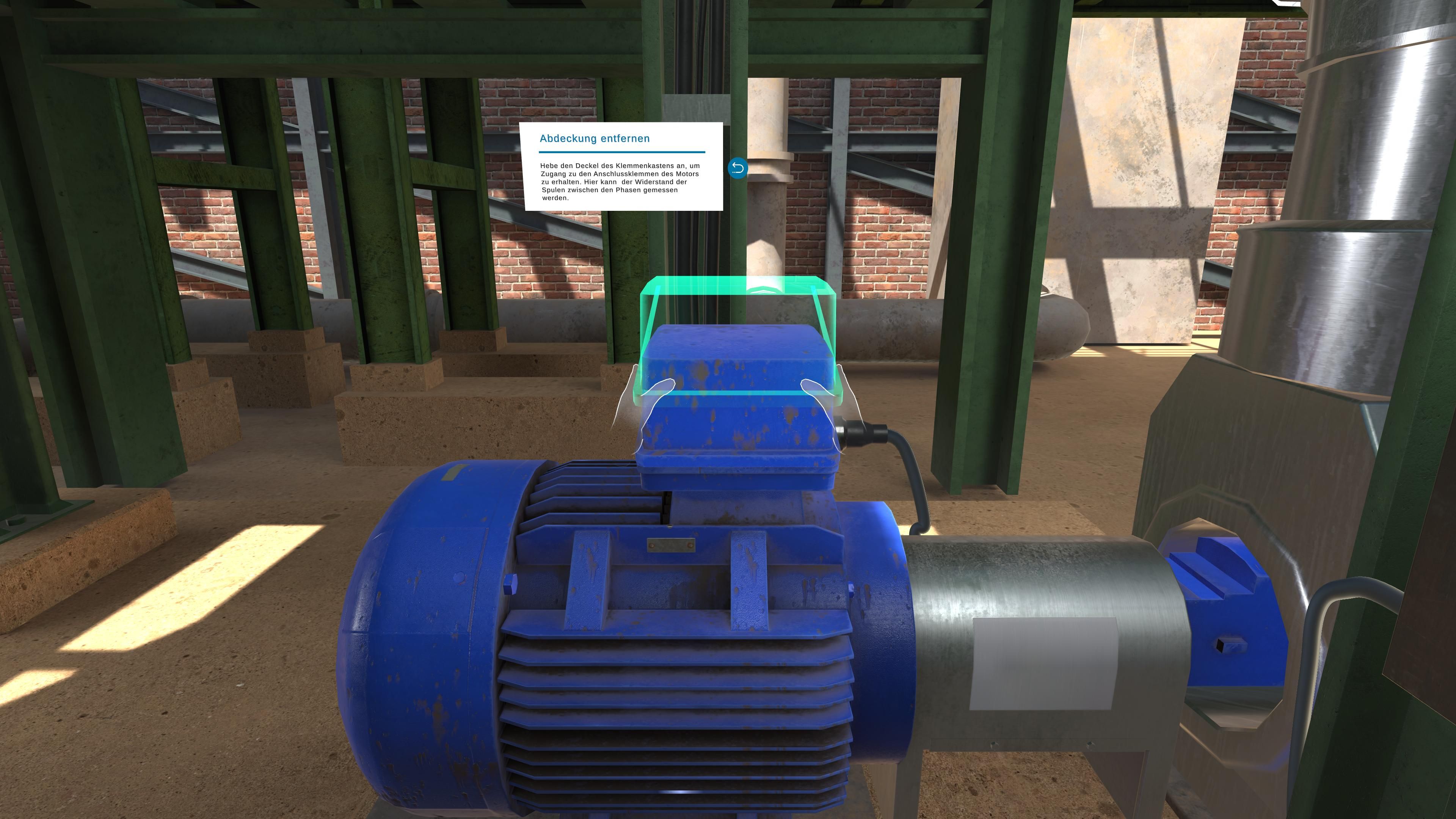
The solution is a digital twin in the VR world. Students and other visitors can operate the machine virtually, take it apart, and explore how it works, a fascinating and interactive way to understand technology.
Hands-on experience and virtual depth
The exhibits from MS Schramberg illustrate the hands-on experience: motor parts whose weight and metal you can actually feel. The step into the virtual world then lets you assemble a gearbox and understand how the motor is built and how it works. This combination of touching real objects and experiencing them in virtual reality makes complex technical processes tangible.
Interactive multiplayer experience
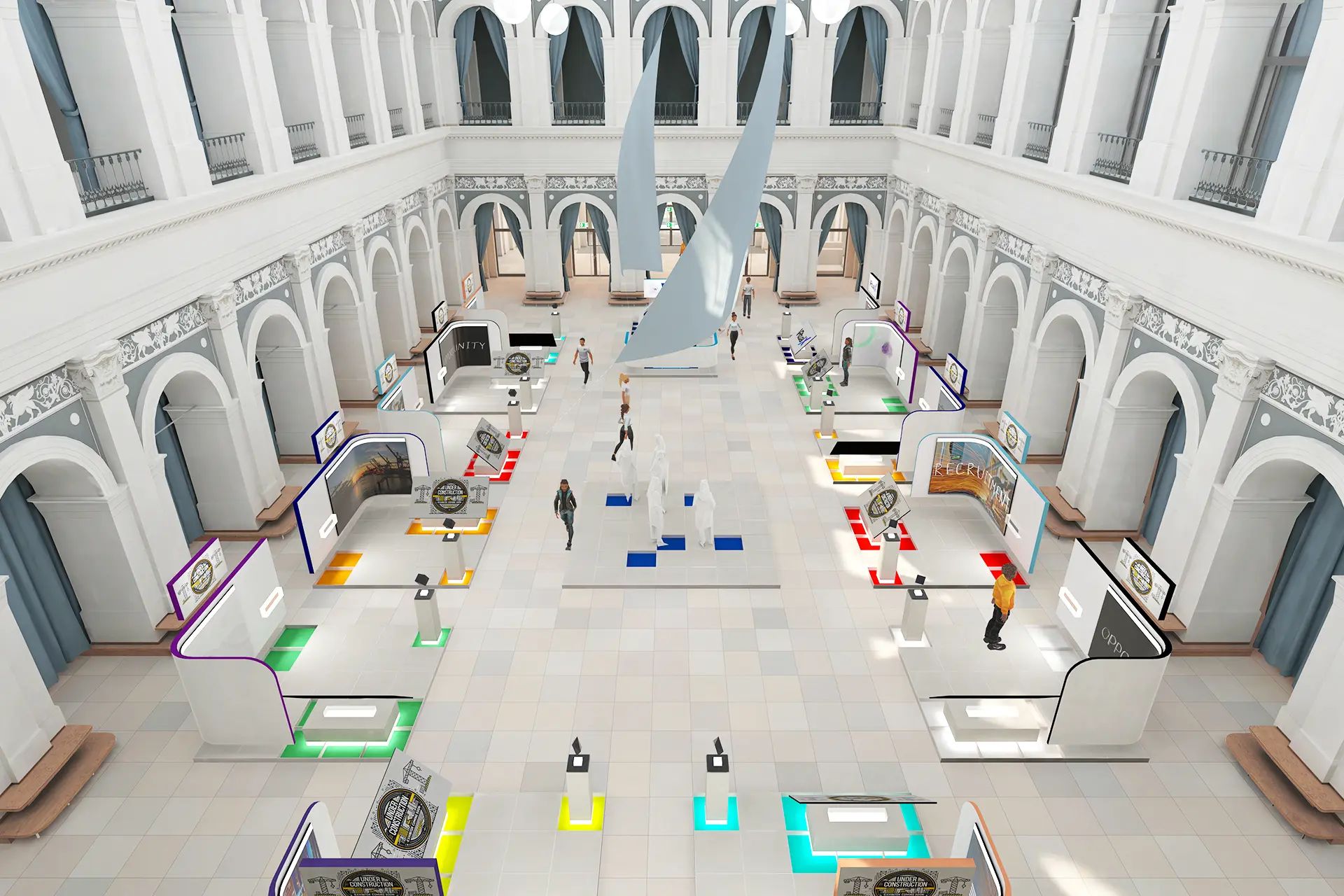
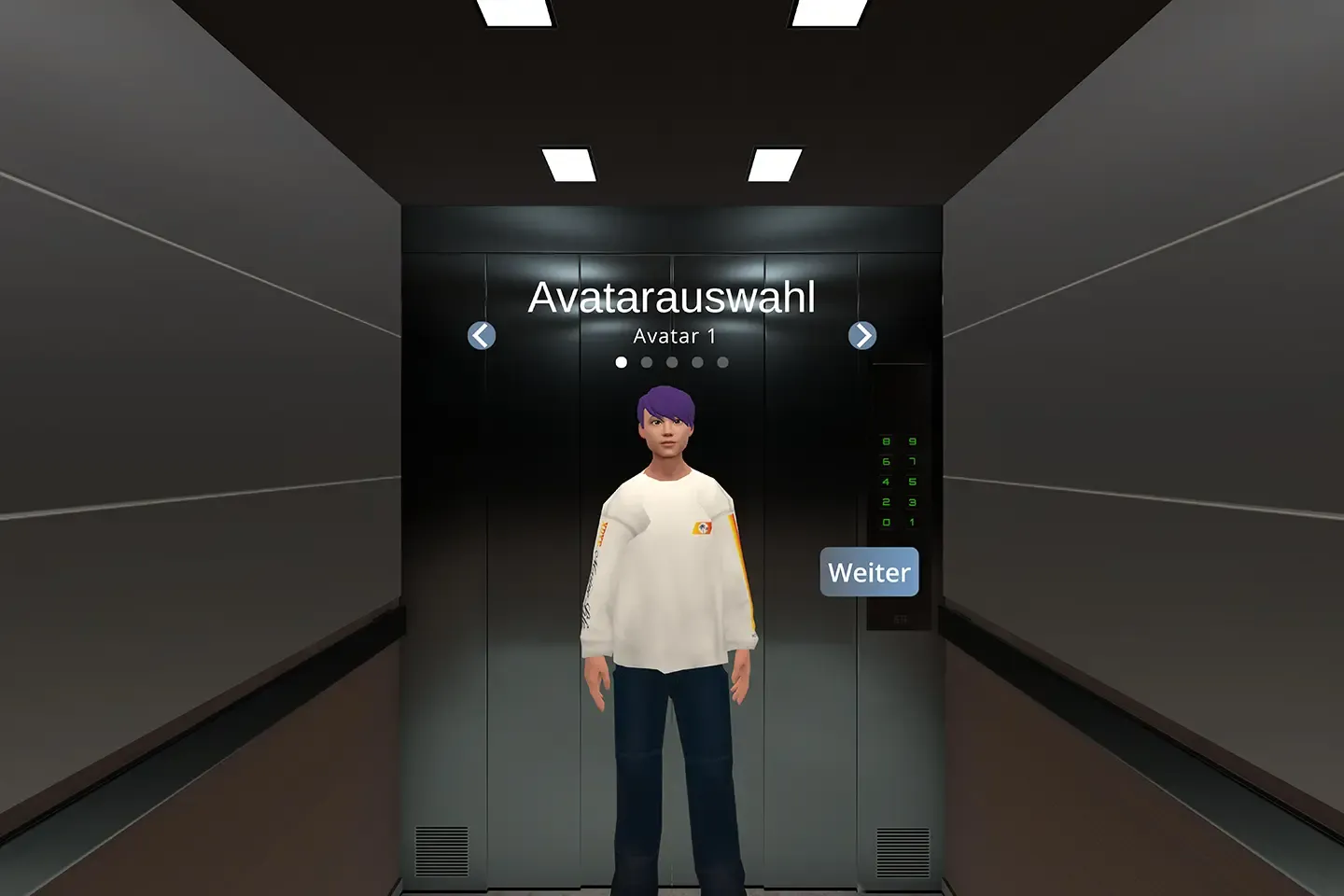
Another special feature of this project is its multiplayer functionality. People wearing the VR headsets see each other as avatars in the application and can interact. This interactivity extends beyond the local site, because participating companies can join the VR world from anywhere in the world and talk directly with the students. This opens up new ways for potential employers and the skilled workers of tomorrow to connect.
Funding and future prospects
With €300,000 in funding and another €200,000 raised by the project leaders, the project (physical hall and VR simulation together) is on a solid financial footing. The vision is clear: projects like the “Arbeitswelten” matter not only for the region but for the whole country.
Unique and pioneering
The “Arbeitswelten” make it easier for young people to reach out to companies. With playful elements like the paper airplane that can be sent from the tower as a “virtual application,” students can even apply for a position directly in the virtual reality application.
The “Arbeitswelten” in Rottweil are unique in their form. They demonstrate what a hybrid educational concept can look like, one that combines interactive learning, direct communication, and practical experience in a seamless transition between the real and virtual worlds. This project could become a model for the future of vocational education and for the fight against the shortage of skilled workers. It shows how new approaches and technology can take learning and career guidance to new dimensions.