
Samsung Galaxy XR: why it could matter more to the XR market than the Apple Vision Pro
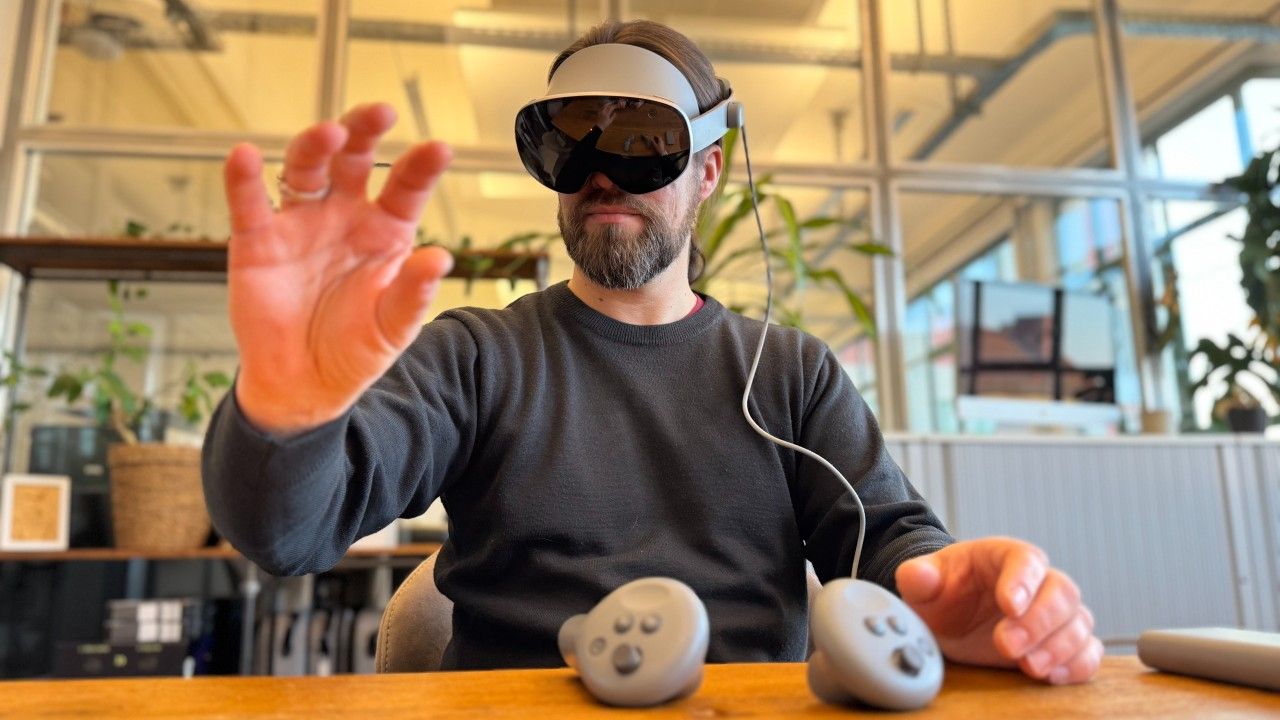
The Samsung Galaxy XR is not yet officially available in Germany. Even so, the headset is already gaining importance. It is being used productively in the first projects, and it fills a strategic gap in today’s XR market: the need for powerful mixed reality hardware at an economically realistic price. On top of that, it comes with an open ecosystem that makes it easier for developers to get started.
Availability and prices as of September 2026
| Country | Available since | Price |
|---|---|---|
| USA and South Korea | October 21, 2025 | $1,799 |
| United Kingdom | July 8, 2026 | £1,699 |
| Germany | not yet available | no official price |
Samsung has announced neither a date nor a price for Germany. Euro prices circulating online are estimates. Sources: Samsung Newsroom Germany (in German), Samsung Newsroom UK.
While the Apple Vision Pro is seen as a technological proof of concept, Samsung positions the Galaxy XR much closer to the market, both in price and in structure.
Premium performance without a luxury price
With a list price of around $1,799, the Samsung Galaxy XR costs significantly less than the Apple Vision Pro, which at about $3,500 is roughly twice as expensive. In Germany, the Apple Vision Pro starts at €3,699. For many companies, development studios and professional users, this difference is decisive, because XR hardware is increasingly seen as a platform for work and development rather than a status symbol.
The lower price is not the result of major technical compromises but of deliberately different priorities. Samsung does without premium materials such as glass or metal and uses plastic and other materials instead. This not only cuts costs considerably but also reduces weight and the strain of wearing the headset, which matters for longer sessions.
Performance and graphics quality are still a clear step up from previous standalone headsets. In terms of performance, the Galaxy XR sits well above typical consumer VR devices and approaches the premium segment without adopting its price level.
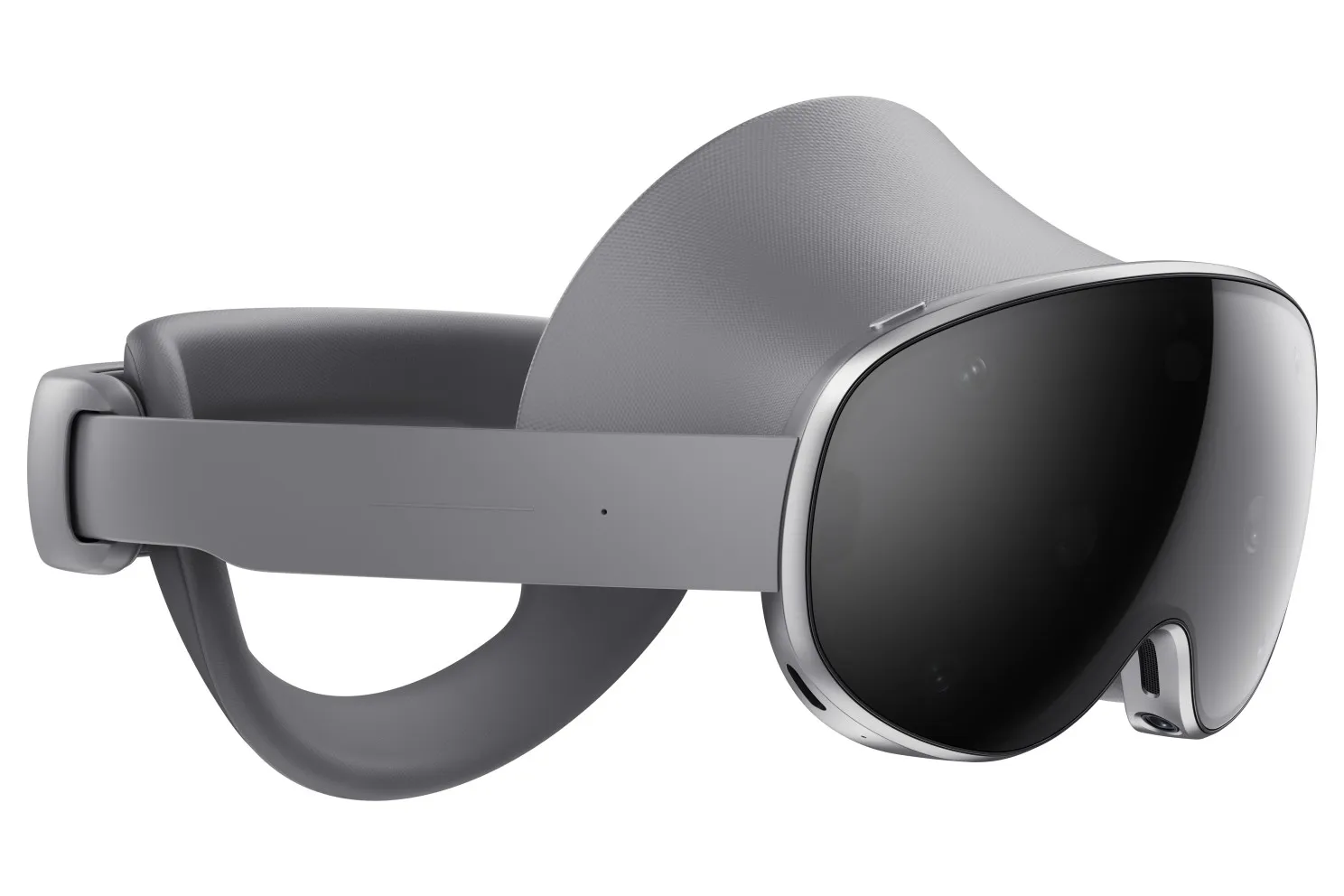 The new Samsung Galaxy XR: new materials and design choices
Weaknesses where you can see them
One limitation shows up in AR camera mode. In a direct comparison, the passthrough image looks less sharp and stable than on the Apple Vision Pro and in some cases weaker than on the Meta Quest 3. Blurring occurs especially during movement and clearly detracts from the mixed reality experience. For applications with a strong AR focus, this is currently the platform’s biggest drawback.
Familiar controls as a strategic advantage
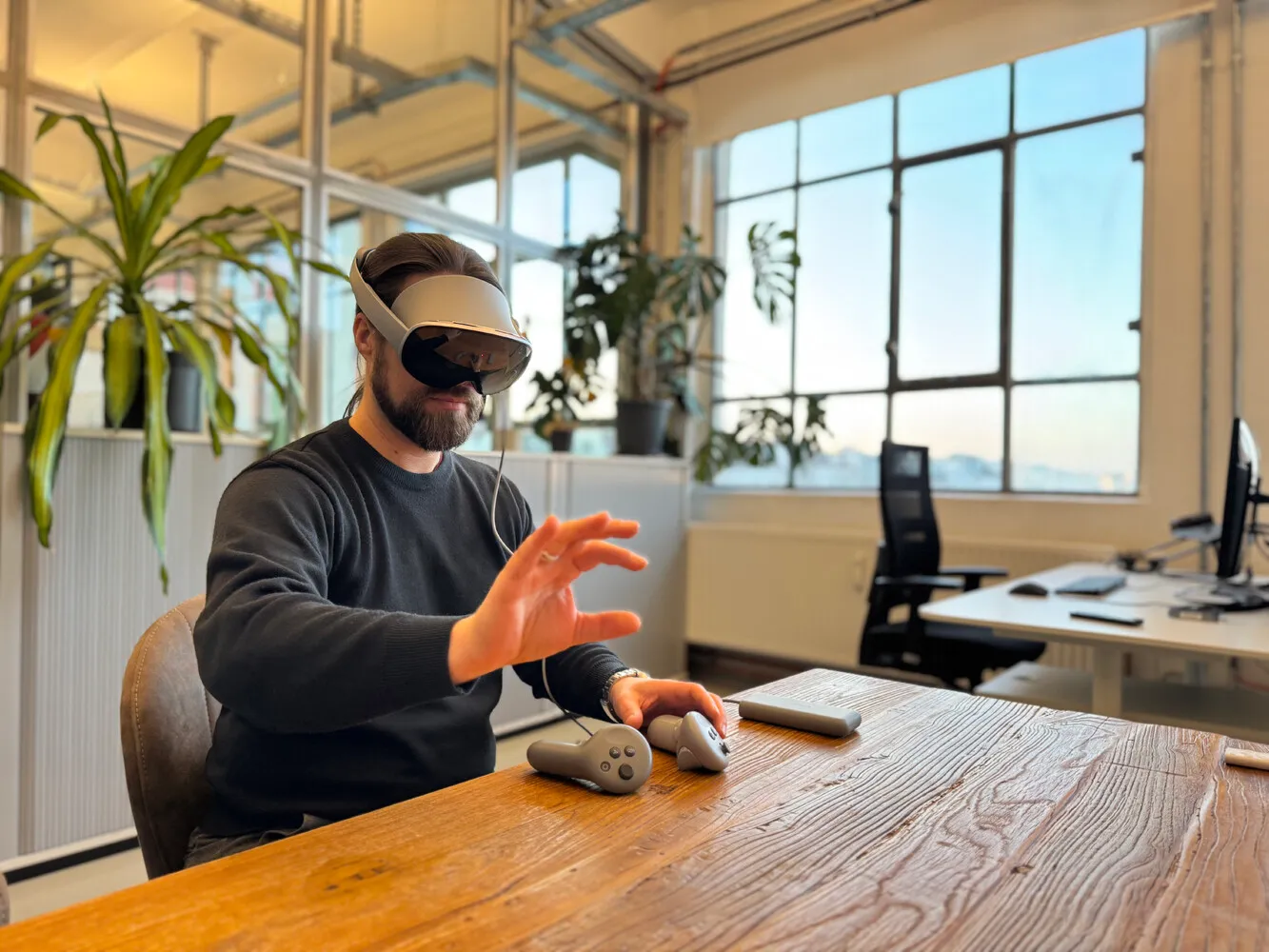
In use, the Galaxy XR closely follows established interaction concepts. Calibration, interaction and basic UX patterns are strongly reminiscent of the Apple Vision Pro. This similarity is no coincidence but a strategic advantage: instead of introducing yet another isolated interaction concept, Samsung relies on standards users have already learned.
For users who test different XR systems or use them side by side, this considerably lowers the barrier to entry. At the same time, the market benefits from growing standardization. XR suffers less from a lack of innovation than from fragmented interaction concepts. More uniform controls make technologies easier to compare, more accessible and, ultimately, ready for the mass market.
The deciding factor: the open ecosystem
The key strength of the Samsung Galaxy XR lies not primarily in the hardware but in the ecosystem behind it. With Android XR and OpenXR, Samsung relies on open standards that numerous platforms already support. For developers, that means less porting effort, shorter development times and a much lower investment risk.
With visionOS, Apple takes a deliberately closed approach. Combined with the high price of the device, this creates a serious structural problem: the user base stays small, developers find the platform far less economically attractive and the range of content grows only slowly. This cycle severely limits market penetration.
The situation is different in the Android world. Many existing applications from the Quest, Pico or wider Android XR ecosystem can be adapted more quickly or used directly. That lowers costs and speeds up innovation, which is a decisive factor for companies and studios as well as for users.
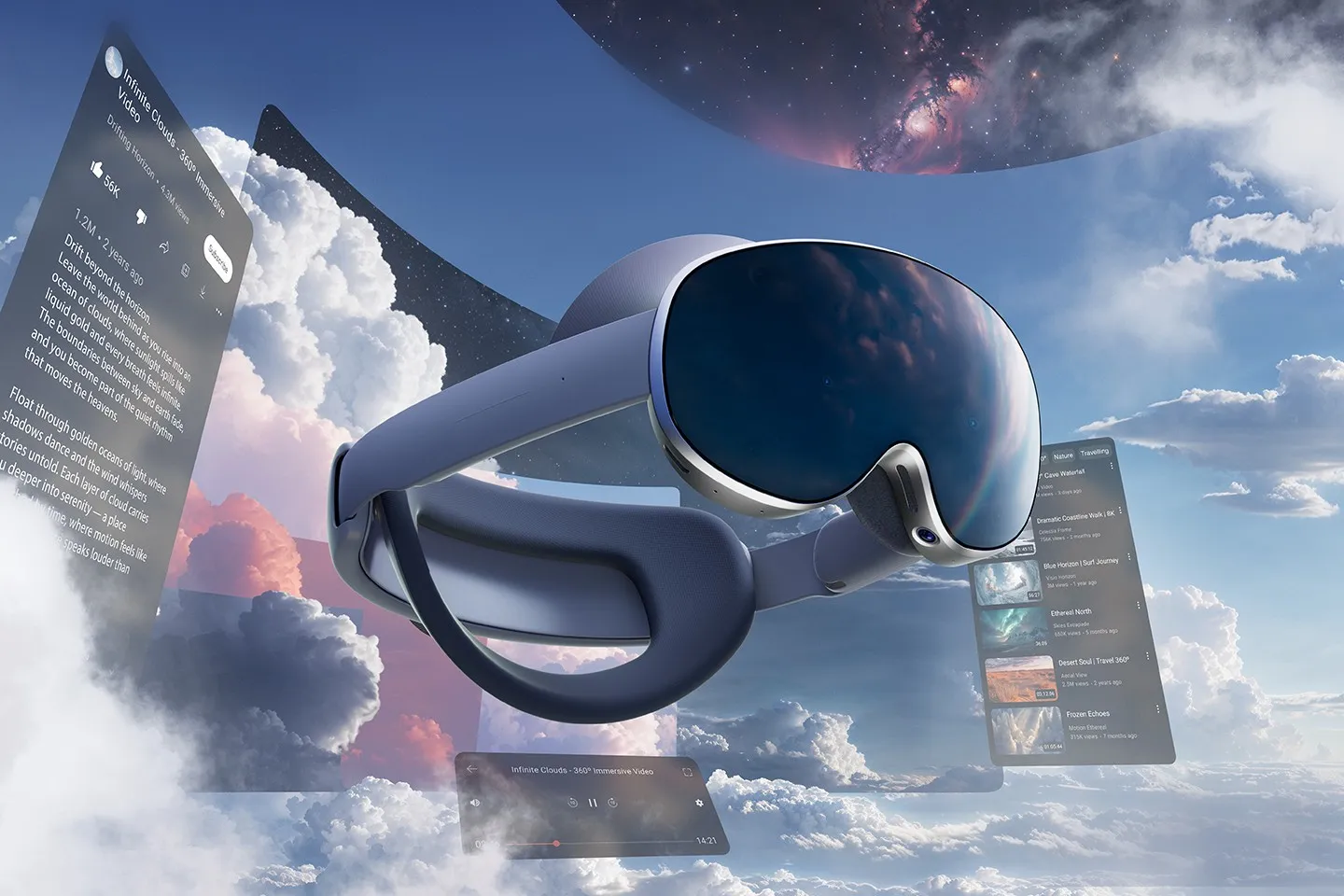
Relevance for existing users: SteamVR compatibility
A practical advantage that matters a lot in everyday use is working SteamVR support. Existing content and libraries remain usable, and investments in earlier XR generations keep their value. For professional users and longtime VR users, this makes switching much easier and improves the platform’s cost-effectiveness.
Market positioning with prospects
The Samsung Galaxy XR positions itself between two extremes: the comparatively affordable but performance-limited Meta Quest and the technically impressive but very expensive Apple Vision Pro. This middle ground is currently where the market’s biggest unmet need lies.
The Vision Pro shows what is technically possible but remains a niche solution because of its price and ecosystem. The Quest line opens up the market but reaches its performance limits with demanding applications. Samsung combines high performance with an open system and a much lower entry price, creating a platform that appeals to developers and companies alike.
Outlook
If Samsung stabilizes the ecosystem quickly and developers embrace the platform, the Galaxy XR could play a key role in the XR market within the next one to two years. Lower entry costs, more existing content and an open technological foundation suggest that this generation of devices will not only impress but, for the first time, scale economically.
For customers who prioritize budget, investment security and future-proofing, the Samsung Galaxy XR is therefore likely to be more relevant than the Apple Vision Pro.